 Cartilage
 Knees
Knees Hip
Hip Shoulder
Ideal Candidates for ChondroFiller in Cartilage Repair
09/02/26
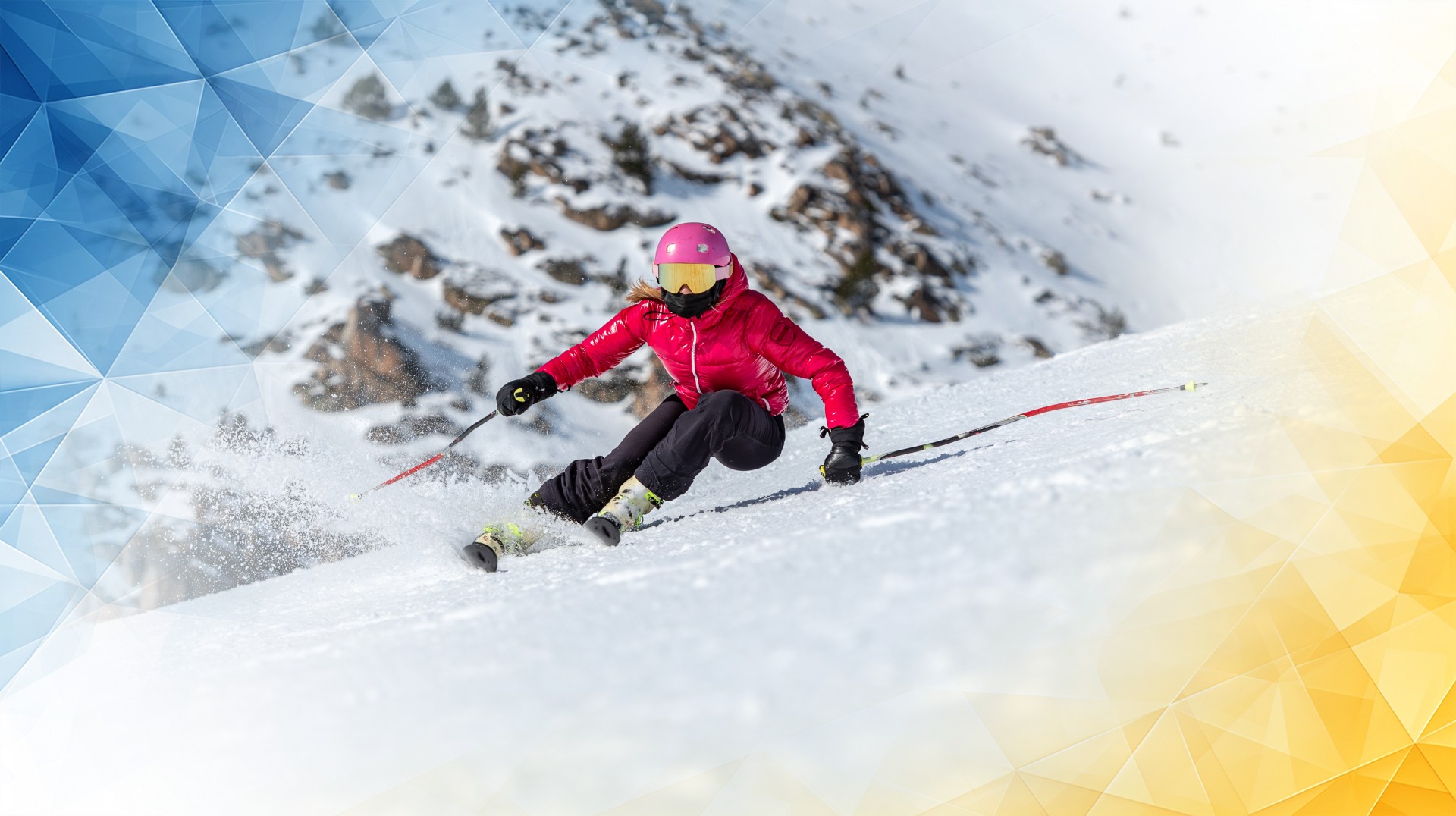

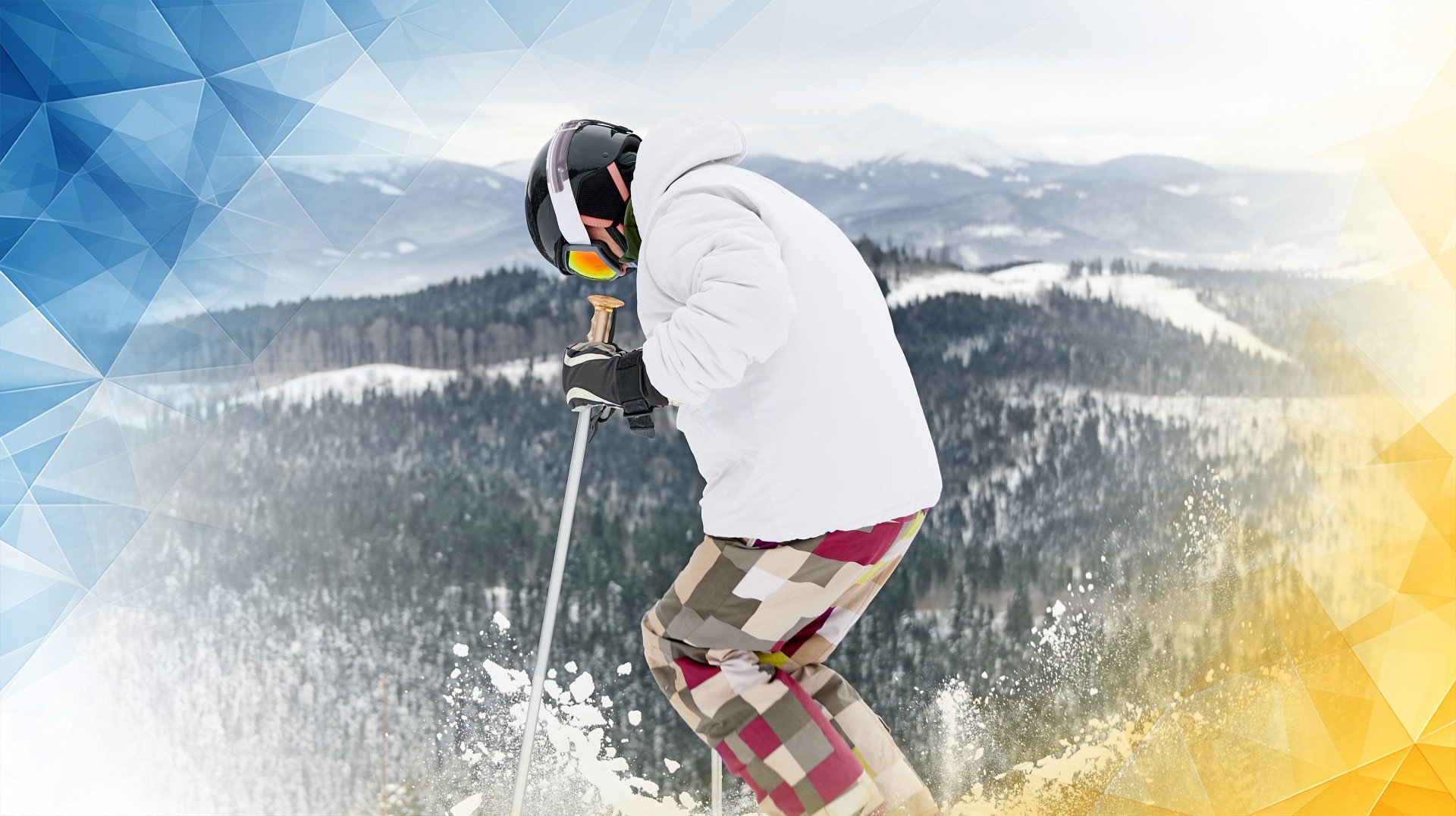
Lindsey Vonn, one of the world’s most celebrated alpine skiers, suffered a serious anterior cruciate ligament (ACL) rupture during a high-speed crash. This injury not only put her out of competition for an entire season but also highlighted just how vulnerable the knee joint can be in skiing. Understanding how ACL injuries happen is vital—not just for elite athletes, but also for recreational skiers who want to stay safe on the slopes. In this article, we explore the common ways ACL ruptures occur in ski crashes by combining real-life examples, biomechanical insights, and practical advice.
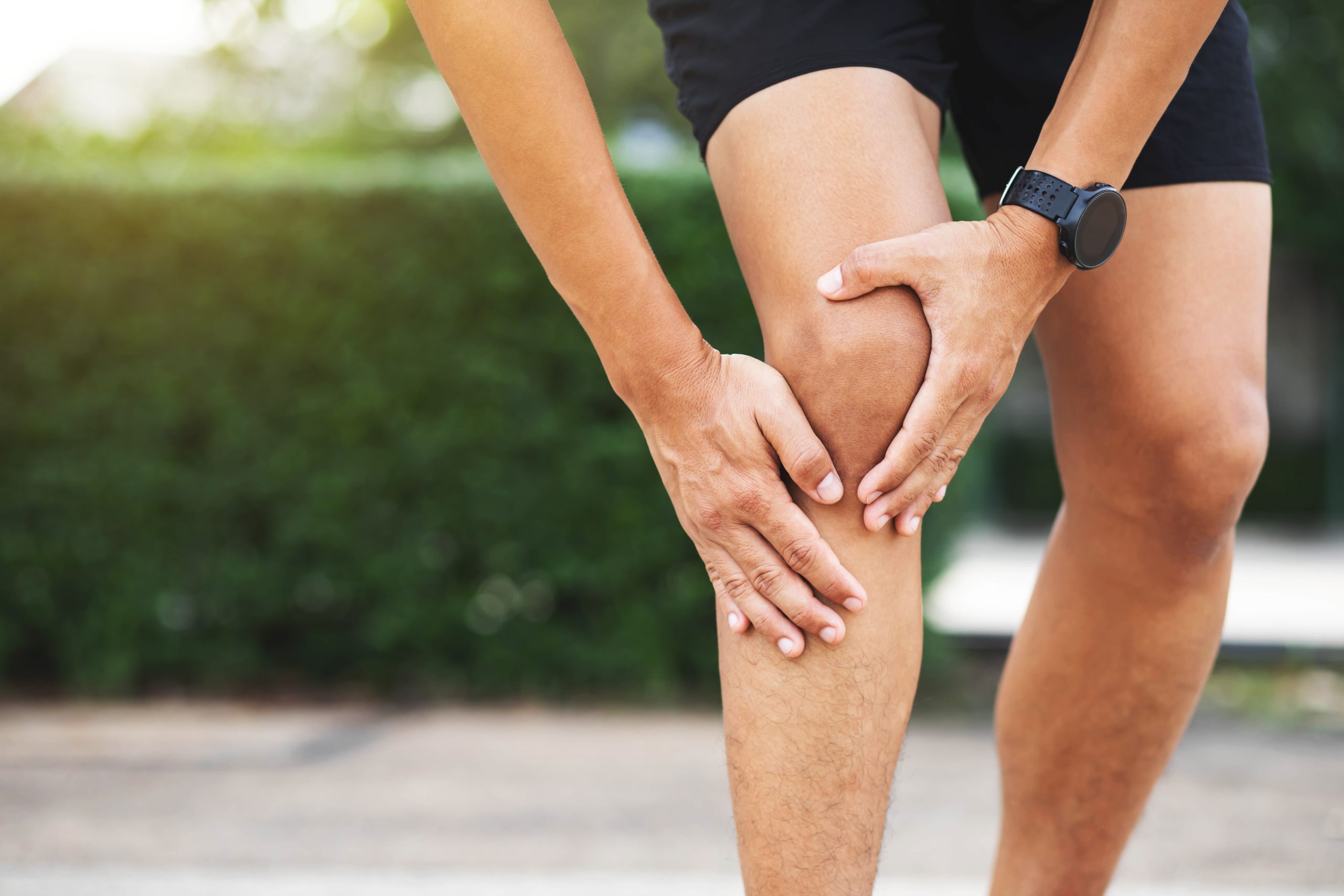
The knee is a complex joint essential for all the dynamic movements involved in skiing. At its core is the anterior cruciate ligament (ACL), a strong band of tissue connecting the thigh bone (femur) to the shin bone (tibia). Its job is to prevent the shin bone from sliding too far forward or twisting too much, keeping the knee stable during activity.
Skiing puts particular strain on the ACL because of the rapid changes in direction and twisting forces involved. These rotational and shear stresses can sometimes exceed what the ligament is designed to handle, increasing the risk of injury. A clear diagram showing the ACL’s position and role can make it easier to understand why it’s so prone to damage during skiing.
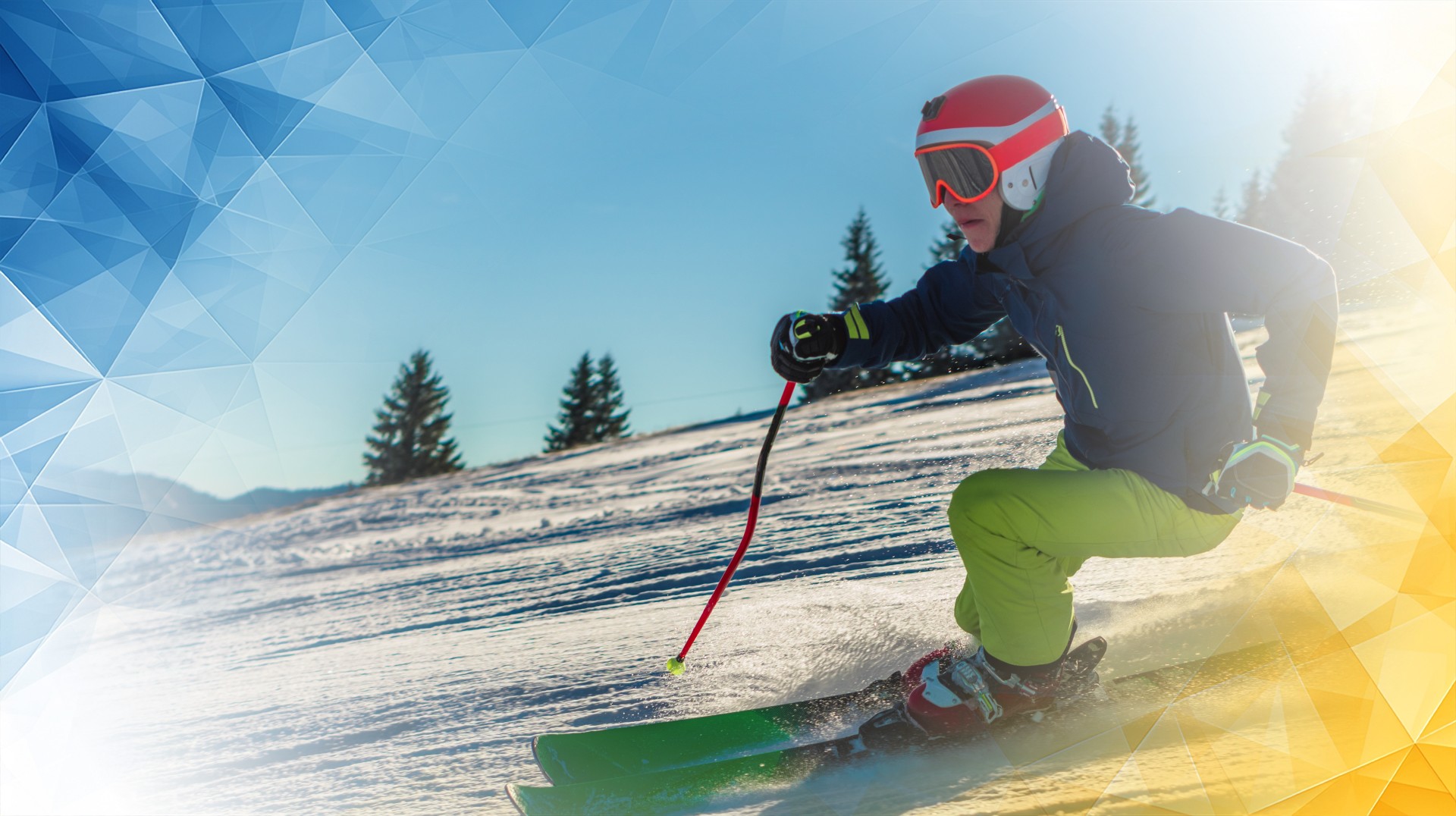
Certain types of falls on the slopes are known to cause ACL injuries. One common scenario is a twisting fall where the ski tips get caught in the snow, applying extreme torque to the knee. Another involves falling backwards while the lower leg internally rotates. There’s also the “phantom foot” mechanism, where the boot gets stuck in the snow, transmitting dangerous twisting forces up to the knee.
Lindsey Vonn’s crash was a textbook example—her ski stayed planted, causing her knee to twist painfully and rupture the ACL. These patterns aren’t just seen in pros; amateur skiers experience similar injury mechanisms. In fact, research tells us that “the forward fall with body rotation was the most common reported ACL injury mechanism (63%)” (Posch et al., 2021). Often, a small loss of balance or control can lead to these damaging movements.
Your ski gear can either help protect your knees or increase the risk of injury. Bindings that don’t release properly during a fall can put extra strain on your ACL. Boots that are too stiff, limiting ankle movement, or skis that catch unexpectedly in snow can also add to the problem. Fortunately, modern equipment often includes safety features to reduce these risks—when fitted and maintained correctly.
Interestingly, one study found that “ski-geometric parameters did not significantly influence the type of ACL injury mechanism” (Posch et al., 2021), suggesting that the skier’s style matters more than the exact shape of the skis.
Environmental conditions are just as crucial. Another research study revealed that “fresh snow, grippy snow, icy slope conditions, very cold temperatures, and skiing on easy slopes” all increase the chance of an ACL injury for recreational skiers (Posch et al., 2023). Staying aware of snow and weather conditions—and adjusting your equipment accordingly—can help reduce your risk.
Whether you’re new to skiing or an experienced athlete, it’s important to know when your knees are most at risk. Situations like sharp turns, loss of balance, or sudden attempts to regain control at speed can all be dangerous. To protect your knees, focus on strengthening the muscles around the joint, improve your technique to avoid excessive twisting, and be aware of your surroundings on the slope.
It’s worth remembering that while these steps lower the risk, skiing will always involve some element of danger. Research supports this by stating, “An individual skiing style seems to have more impact on ACL injury mechanisms than ski equipment” (Posch et al., 2021).
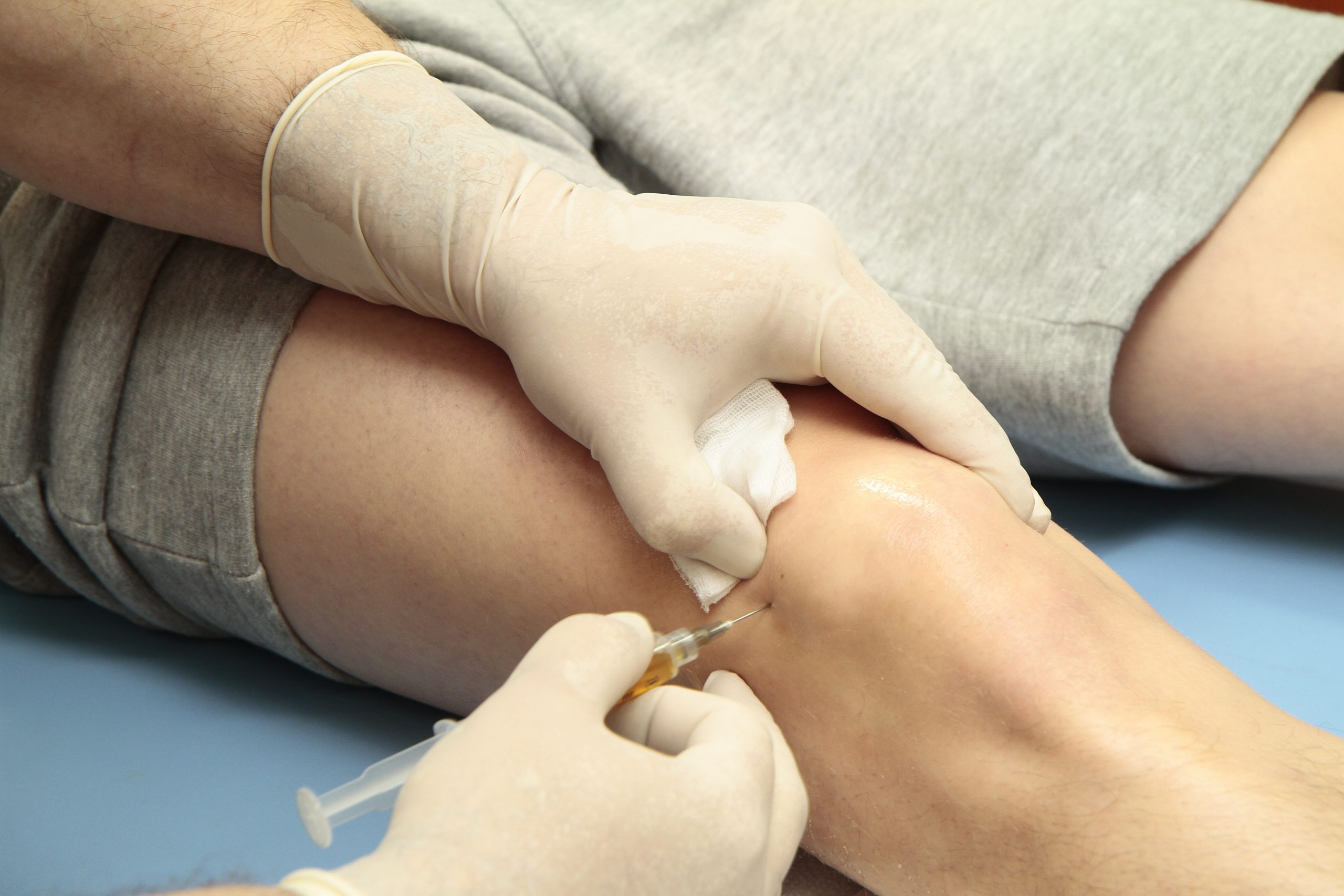
Professor Paul Lee, an expert in cartilage and orthopaedic surgery, has helped many patients recover from ACL injuries at the London Cartilage Clinic, known for its patient-focused care. While expert treatment and rehabilitation are vital to a strong recovery, it’s important to know that full prevention of future problems is not guaranteed.
In fact, professional ski racers who have suffered an ACL injury face high chances of further problems. As one study found, “The odds of ACL-injured professional alpine ski racers to suffer secondary ACL tears are nearly 50%, with contralateral injuries more common than graft failures” (Csapo et al., 2020). This highlights the importance of careful management and ongoing support from healthcare professionals after an ACL injury.
ACL ruptures in ski crashes result from a combination of biomechanical forces—often predictable but hard to completely avoid. Knowing the common injury mechanisms, taking care with your equipment, respecting environmental conditions, and taking preventive measures can all help make skiing safer. Above all, education and listening to expert advice remain key. For personalised medical guidance, always consult a qualified healthcare professional.
The London Cartilage Clinic offers a patient-focused approach with advanced treatments led by Professor Paul Lee, a recognised cartilage expert and orthopaedic surgeon, ensuring that care and recovery strategies are tailored to each individual’s needs for optimal results.
Professor Paul Lee is a cartilage expert, Surgical Ambassador, and an advisor at the Royal College of Surgeons of Edinburgh. His extensive experience in orthopaedics and rehabilitation helps patients access the latest evidence-based treatments and thoughtful, professional support during their knee injury recovery.
No, ACL injuries can affect both elite athletes and recreational skiers. Rapid changes in direction, twisting forces, and falls commonly experienced by skiers of all abilities place them at risk, highlighting the need for expert advice and careful injury prevention for everyone.
While modern ski equipment and proper fitting help reduce injury risks, research shows that ski style and environmental factors like snow conditions can be even more important. The London Cartilage Clinic guides patients in understanding how to manage these risks for safer skiing experiences.
Strengthening the muscles around the knee, refining technique to avoid excessive twisting, and adjusting for changing slope conditions all help lower ACL injury risks. At London Cartilage Clinic, Professor Lee provides expert strategies to help patients ski more safely and confidently.
All our treatments are selected to help patients achieve the best possible outcomes and return to the quality of life they deserve. Get in touch if you have any questions.
At London Cartilage Clinic, we are constantly staying up-to-date on the latest treatment options for knee injuries and ongoing knee health issues. As a result, our patients have access to the best equipment, techniques, and expertise in the field, whether it’s for cartilage repair, regeneration, or replacement.
For the best in patient care and cartilage knowledge, contact London Cartilage Clinic today.
At London Cartilage Clinic, our team has spent years gaining an in-depth understanding of human biology and the skills necessary to provide a wide range of cartilage treatments. It’s our mission to administer comprehensive care through innovative solutions targeted at key areas, including cartilage injuries. During an initial consultation, one of our medical professionals will establish which path forward is best for you.
Contact us if you have any questions about the various treatment methods on offer.
Legal & Medical Disclaimer
This article is written by an independent contributor and reflects their own views and experience, not necessarily those of londoncartilage.com. It is provided for general information and education only and does not constitute medical advice, diagnosis, or treatment.
Always seek personalised advice from a qualified healthcare professional before making decisions about your health. londoncartilage.com accepts no responsibility for errors, omissions, third-party content, or any loss, damage, or injury arising from reliance on this material. If you believe this article contains inaccurate or infringing content, please contact us at [email protected].