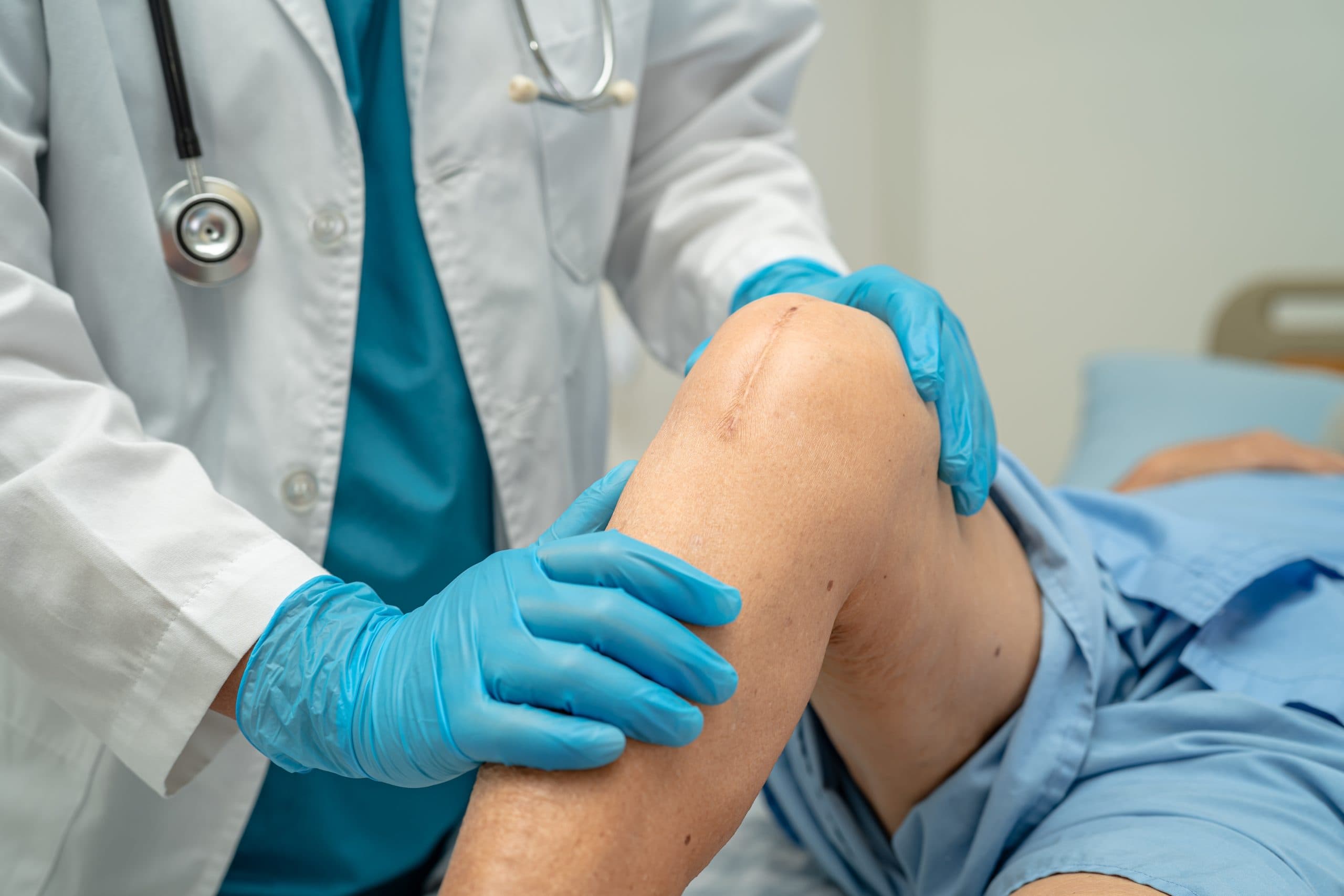
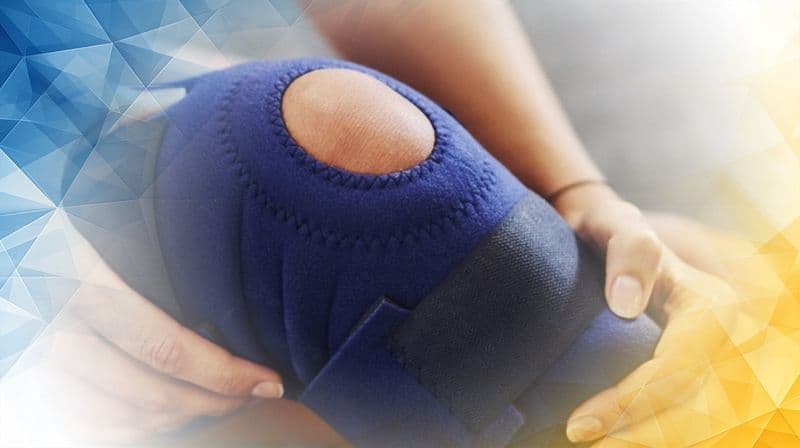
Knee injuries are a common and serious risk for skiers, attracting significant attention—especially when elite athletes like Lindsey Vonn are affected. Her highly publicised crash highlighted not only the dangers of the sport but also the complex nature of knee injuries sustained on the slopes. Among these, anterior cruciate ligament (ACL) tears and meniscus injuries are two of the most frequent, yet often misunderstood, conditions. This article aims to clarify their differences, helping skiers, parents, and enthusiasts understand how these injuries happen, how they are diagnosed, and what recovery looks like.
We’ll start by looking at the key parts of the knee and how they work. Then, we’ll explore how common skiing accidents cause these injuries and how symptoms help distinguish one from the other. We’ll finish by reviewing treatments and recovery, with insights from Professor Paul Lee and the London Cartilage Clinic.
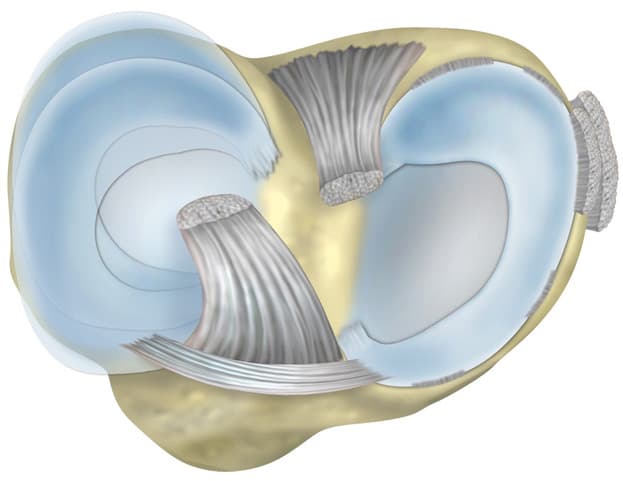
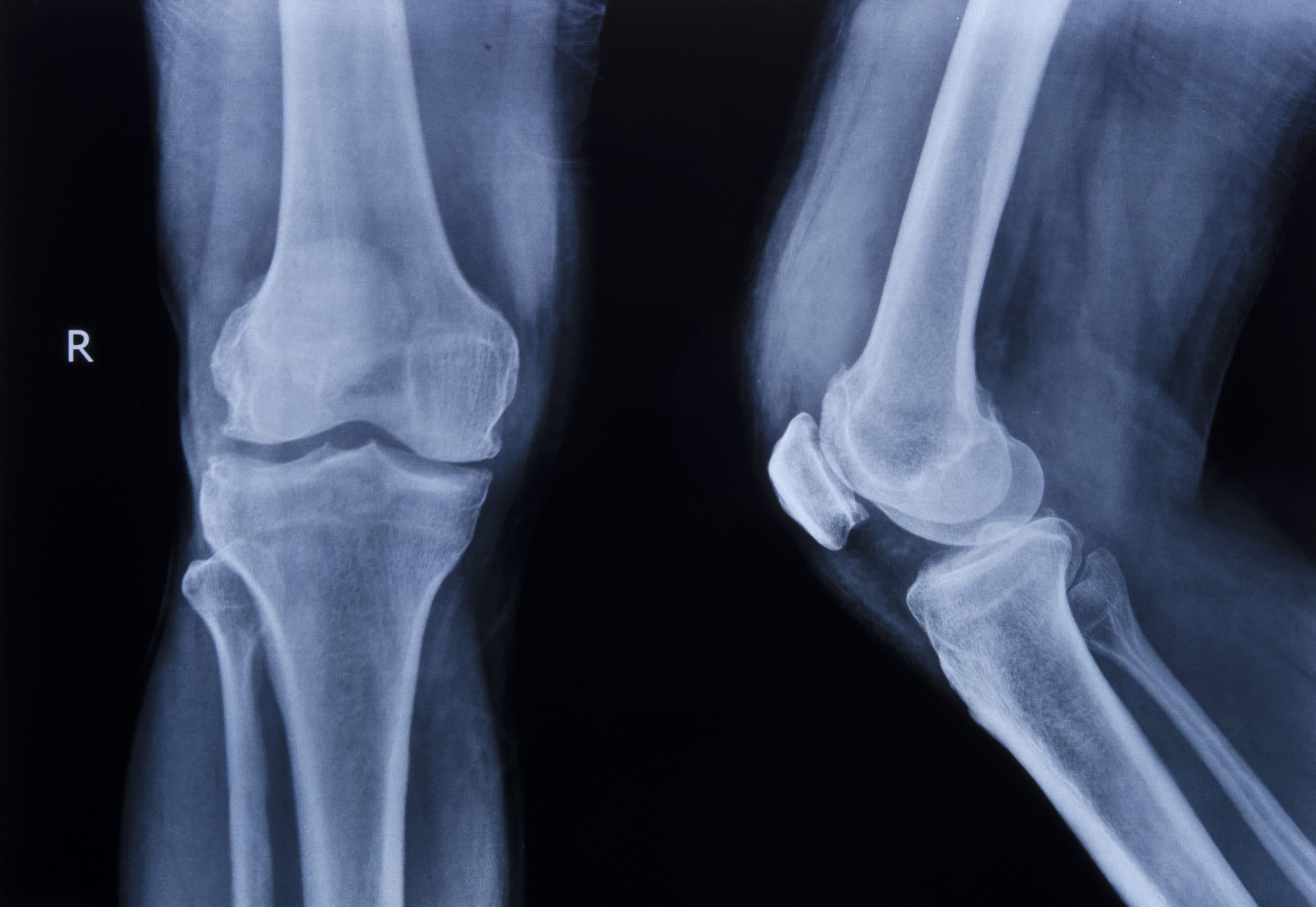
The knee is a complex and vital joint, essential for stability and movement, especially during demanding activities like skiing. It comprises bones—the femur, tibia, and patella—plus ligaments and cartilage that work together to keep it stable and moving smoothly. Two important structures here are the anterior cruciate ligament (ACL) and the meniscus.
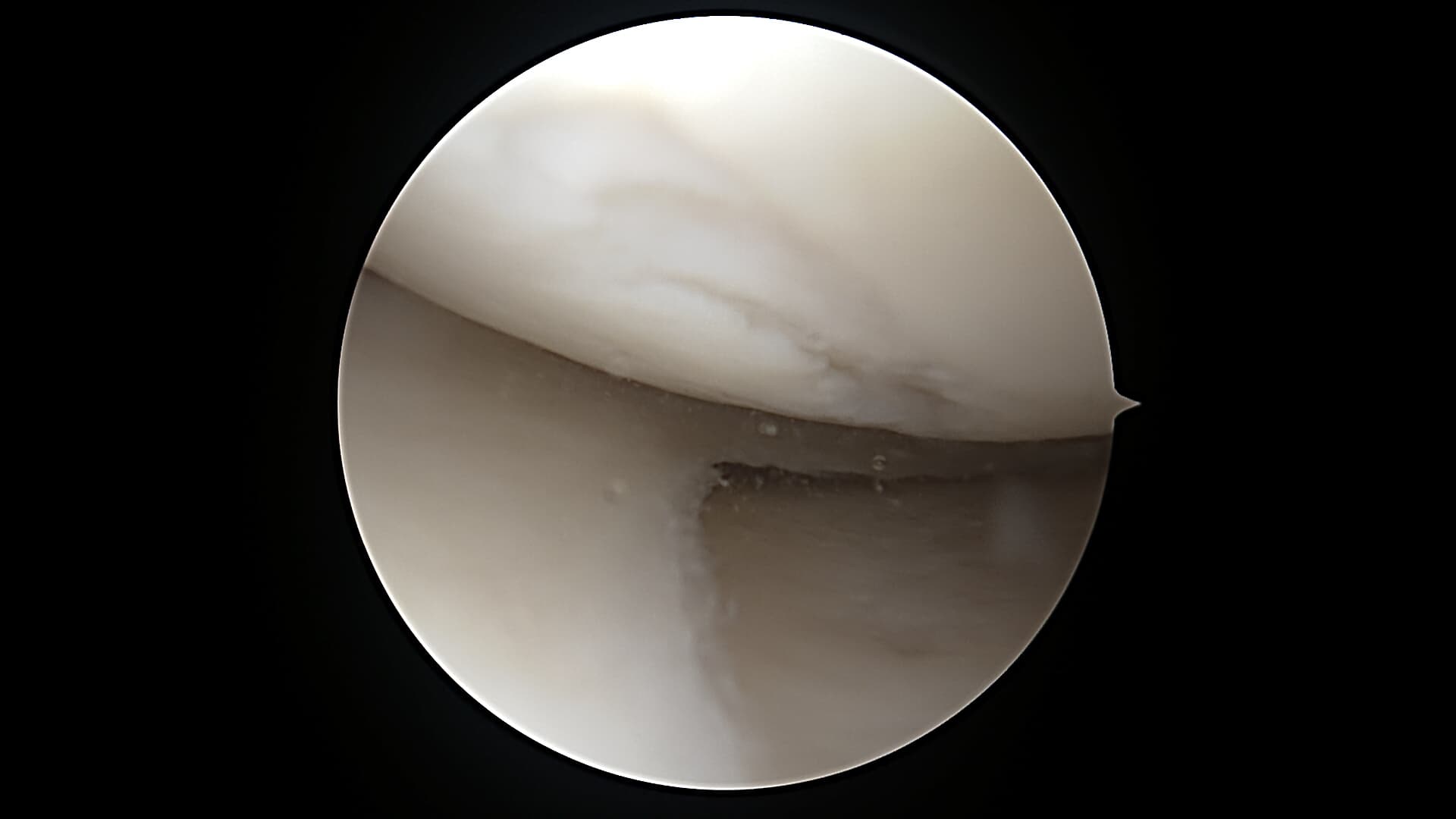
The ACL is a crucial ligament that stops the tibia (shinbone) from sliding too far forward under the femur (thighbone) and provides rotational stability when we twist or turn. The meniscus, made up of two crescent-shaped pieces of cartilage, sits between the femur and tibia, acting as a shock absorber, distributing pressure and cushioning the joint during movement.
Because they serve different roles—the ACL for stability and controlling motion, the meniscus for cushioning and smooth movement—injuries to each can present differently and require distinct care.
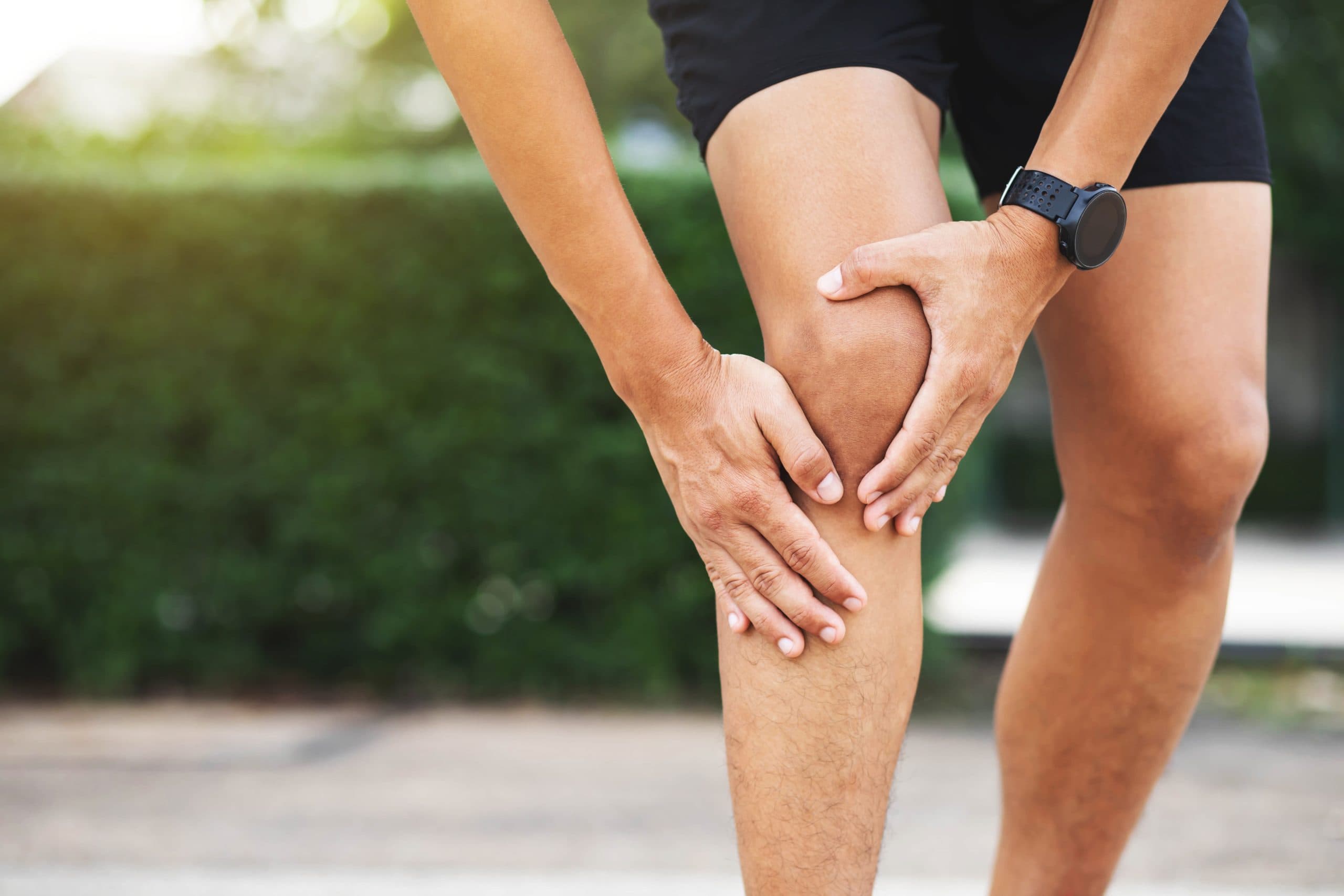
Skiing involves speed, twists, turns, and impacts, which put unusual forces on the knee. When accidents happen, these forces can overload, twist, or compress the joint in damaging ways.
ACL tears commonly occur when the knee is twisted or bent forcefully, especially if the ski remains stuck in the snow, causing the knee to rotate unnaturally. For example, a skier falling with one ski planted can sustain this kind of twist leading to an ACL rupture—akin to Lindsey Vonn’s injury. A study found that “the forward fall with body rotation was the most common reported ACL injury mechanism (63%)” (Posch et al., 2021).
Meniscal injuries usually result from compressive or shearing forces. Sudden changes in direction or direct impacts can pinch or tear the meniscus. Sometimes, ACL and meniscus injuries happen together, which can complicate diagnosis and treatment.
To picture this, imagine a skier losing balance and pivoting sharply—this often leads to an ACL tear. On the other hand, an abrupt stop with a twist might trap the meniscus, causing a tear. Knowing how the accident occurred helps experts figure out the exact injury.
Immediately after injury, it can be tricky to tell an ACL tear from a meniscus injury as symptoms overlap.
Typical ACL tear signs include:
Meniscus injury signs tend to be:
While these clues help, they’re not conclusive. A thorough clinical exam by an expert is essential. Specialised physical tests and MRI scans often confirm the diagnosis and reveal any additional damage.
Professor Paul Lee, renowned for his orthopaedic expertise, stresses the importance of detailed assessment to make the right diagnosis and guide appropriate treatment. Posch et al. (2021) support this, noting, “A complete rupture of the ACL (66–70%) was more commonly reported than a partial tear (30–34%) among all four non-contact ACL injury mechanisms.”
Immediate Care
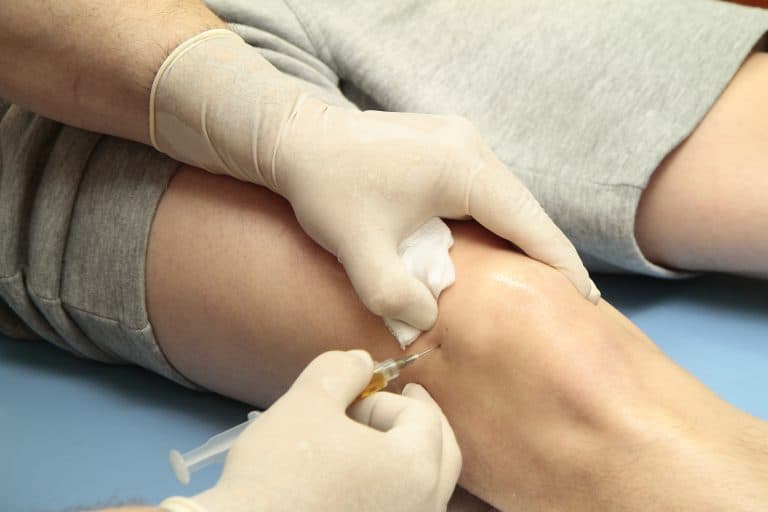
After injury, the priority is to reduce pain and swelling and protect the knee. Immobilisation may be necessary initially, followed by referral to a specialist centre such as the London Cartilage Clinic, where expert evaluation and modern imaging pave the way for personalised care.
How Treatment Differs
ACL tears often need surgical reconstruction, particularly for active individuals or athletes. Surgery restores knee stability, followed by a carefully planned rehabilitation programme to rebuild strength and movement. Full recovery usually takes six to nine months, though elite athletes may require longer.
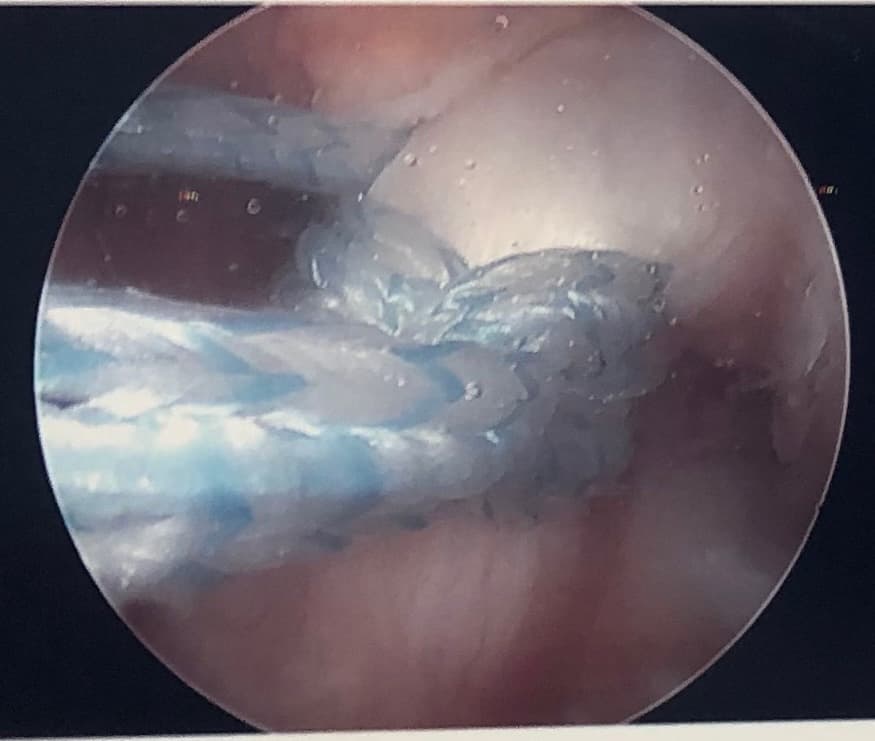
Meniscal tears have a broader range of treatments. Some minor tears heal with rest and physiotherapy; others need arthroscopic surgery to repair or trim the damaged cartilage. Recovery time varies based on the tear type and treatment, but generally, meniscal rehab is shorter than for ACL reconstruction.
Recovery and Long-Term Outlook
Outcomes depend on injury severity, promptness of treatment, and dedication to rehab. With proper care, most skiers return to their usual activities without long-term problems. Elite athletes, like Lindsey Vonn, may have a more demanding recovery timeline to match their performance needs.
Timing is crucial. Research shows, “The earliest point of significantly higher incidence of meniscal tears was in patients undergoing ACL reconstruction more than 3 months post injury” (Papastergiou et al., 2007). Early surgery within three months helps reduce secondary meniscal damage.
For professional skiers, it’s important to be aware that “the odds of ACL-injured professional alpine ski racers to suffer secondary ACL tears are nearly 50%, with subsequent contralateral ACL injuries being more common than graft failures” (Csapo et al., 2020). This highlights the high risk of reinjury at the top levels of the sport.
Finally, it’s worth noting, “an individual skiing style seems to have more impact on ACL injury mechanisms than ski equipment” (Posch et al., 2021), underlining how technique and experience matter in injury prevention.
Early diagnosis and expert care at renowned centres like the London Cartilage Clinic provide the best chance for full recovery and reduce risks such as chronic instability or early arthritis.
In brief, ACL tears and meniscus injuries are common knee problems in skiing but differ in cause, symptoms, and treatment. Recognising these differences helps skiers and carers seek prompt, appropriate care.
With expert treatment, many skiers—from recreational to elite—successfully return to their favourite activities. The dedicated teams at specialist clinics, including Professor Paul Lee and the London Cartilage Clinic, offer trusted support every step of the way.
If you suspect a knee injury, always consult a qualified health professional for personalised advice and treatment options.
We hope this article helps make these complex injuries clearer, empowering skiers to protect their knees and enjoy their sport safely.
ACL tears and meniscus injuries are frequent in skiing, usually happening during twists, falls, or sudden stops. London Cartilage Clinic, led by Prof Lee, specialises in diagnosing and treating these complex injuries with expert assessment and care.
ACL tears often cause a ‘pop’ sound, rapid swelling, and instability. Meniscus injuries usually result in pain along the joint, gradual swelling, and sometimes locking. A thorough expert assessment at the London Cartilage Clinic ensures accurate diagnosis for the best treatment plan.
London Cartilage Clinic offers advanced imaging, personalised care, and experienced assessment from Professor Paul Lee, a leading cartilage expert. Their comprehensive evaluation and modern techniques help skiers achieve the best outcomes for knee injuries and long-term joint health.
Professor Paul Lee is a renowned cartilage specialist, Regional Surgical Ambassador, and advisor to the Royal College of Surgeons of Edinburgh. His vast experience and leadership at London Cartilage Clinic provide patients with exceptional, evidence-based care for complex knee injuries.
Initially, protect and rest the knee, manage swelling, and seek expert assessment as soon as possible. Consulting Professor Lee or his dedicated team at the London Cartilage Clinic ensures early, accurate diagnosis and the most effective treatment for optimal recovery.
All our treatments are selected to help patients achieve the best possible outcomes and return to the quality of life they deserve. Get in touch if you have any questions.
At London Cartilage Clinic, we are constantly staying up-to-date on the latest treatment options for knee injuries and ongoing knee health issues. As a result, our patients have access to the best equipment, techniques, and expertise in the field, whether it’s for cartilage repair, regeneration, or replacement.
For the best in patient care and cartilage knowledge, contact London Cartilage Clinic today.
At London Cartilage Clinic, our team has spent years gaining an in-depth understanding of human biology and the skills necessary to provide a wide range of cartilage treatments. It’s our mission to administer comprehensive care through innovative solutions targeted at key areas, including cartilage injuries. During an initial consultation, one of our medical professionals will establish which path forward is best for you.
Contact us if you have any questions about the various treatment methods on offer.
Legal & Medical Disclaimer
This article is written by an independent contributor and reflects their own views and experience, not necessarily those of londoncartilage.com. It is provided for general information and education only and does not constitute medical advice, diagnosis, or treatment.
Always seek personalised advice from a qualified healthcare professional before making decisions about your health. londoncartilage.com accepts no responsibility for errors, omissions, third-party content, or any loss, damage, or injury arising from reliance on this material. If you believe this article contains inaccurate or infringing content, please contact us at [email protected].