 Cartilage
 Knees
Knees Hip
Hip Shoulder
Arthrosamid Versus Hyaluronic Acid for Long-Term Knee Osteoarthritis Relief
04/02/26


Cartilage injuries in the joints can have a serious impact on mobility and quality of life, often causing persistent pain and limiting everyday activities. Traditional treatment options have ranged from simple conservative care to more invasive surgical procedures. Recently, however, there has been a growing interest among patients and clinicians for minimally invasive solutions that offer effective repair while causing less disruption to the body. One such modern technique is ChondroFiller, a treatment designed to repair cartilage damage using a minimally invasive approach. This article delves into why ChondroFiller is considered minimally invasive and how this can benefit patients compared to more conventional methods.
In the world of orthopaedics, “minimally invasive” refers to surgical techniques that aim to reduce the physical intrusion into the body. This typically involves the use of small incisions or keyhole surgery, which minimises damage to the surrounding tissues. The benefits of such approaches usually include less post-operative pain, smaller scars, and quicker recovery times. A recent study describes ChondroFiller as “a resorbable filler based on type I collagen and a neutralizing solution, used to form a protective layer around the cartilage defect while stimulating the growth of chondrocytes and the consequent induction of cartilage regeneration.” By focusing treatment directly on the damaged area and avoiding extensive surgical exposure, minimally invasive techniques offer improved comfort and faster return to normal activities.
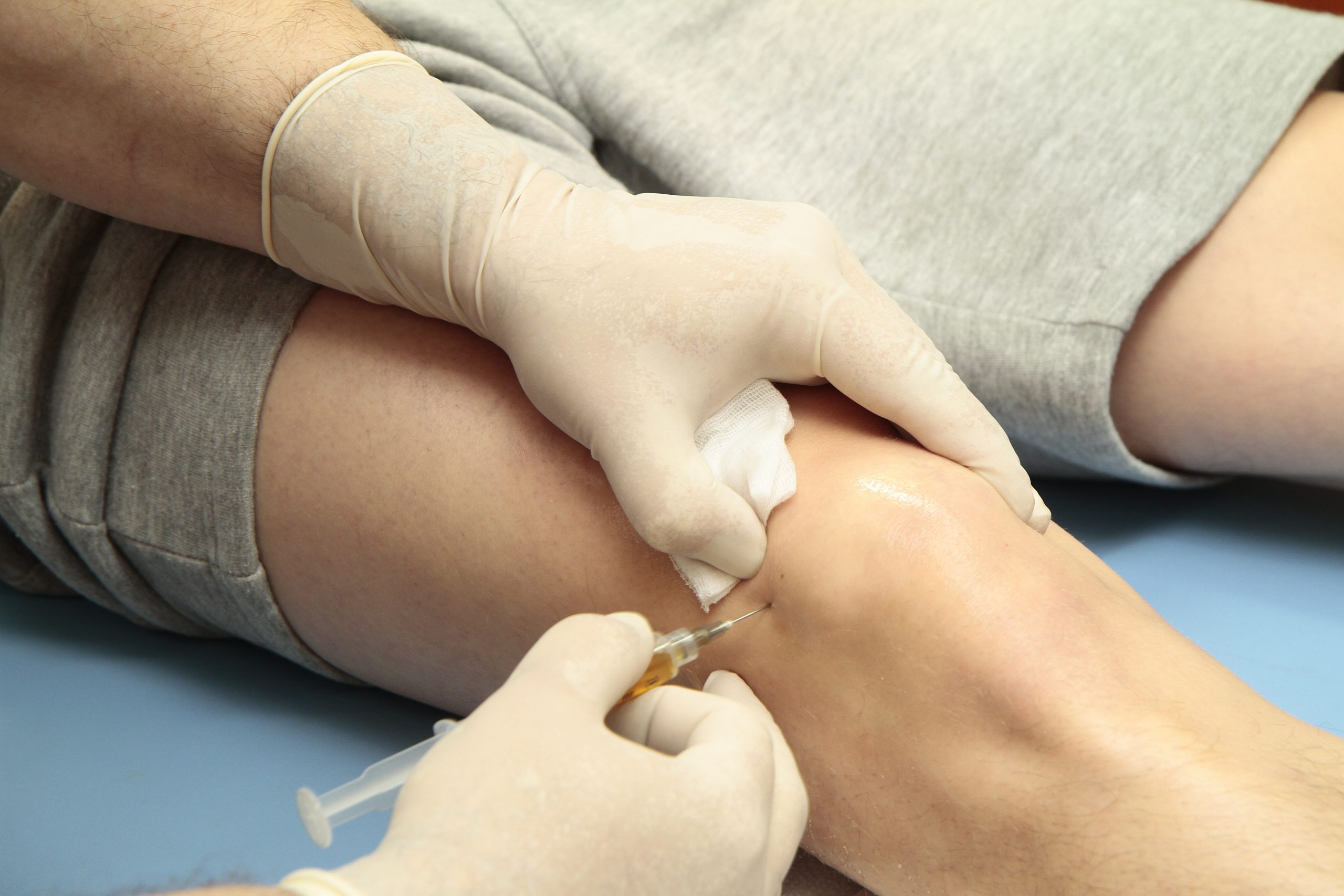
ChondroFiller is a clever method designed to encourage cartilage repair while gently treating the patient’s body. It is administered using arthroscopic or keyhole surgery, which requires only small incisions rather than large cuts. This allows the treatment to be precisely targeted at the damaged cartilage, with minimal disturbance of surrounding tissues. Research notes that “a single infiltration of ChondroFiller Liquid® under fluoroscopic guidance was performed,” highlighting its minimally invasive nature. Similar acellular matrix treatments have also shown promise, with one study reporting that “the liquid AMIC is a safe technique that shows good clinical and radiological outcomes in a 2-year follow-up.” Additionally, a retrospective study of knee and ankle treatments confirmed that “Chondrofiller Liquid is shown to be a safe procedure which was able to provide satisfactory results in these first results.”
For those undergoing treatment, ChondroFiller often means a smoother and more comfortable recovery, with improved mobility. Because the procedure is minimally invasive, patients typically experience less pain and enjoy an easier rehabilitation process. While recovery times can vary depending on individual circumstances, many people report a low impact on their daily lives during healing. Supporting this, a recent clinical paper stated, “The results of the study show that there was an improvement in pain symptoms, associated with an increase in force in the pincer and grip movements evaluated with clinical tests.” Furthermore, in cases involving hip cartilage repair, it was found that “95% of the patients met the MCID (improvement >12 points in the modified Harris Hip Score), and 100% scored >74 points, achieving the PASS,” with the reassurance that “All patients who practiced sports resumed them.” Echoing this positive experience, another study found that “about 80% of the patients indicated good or very good results and would have the operation done again.”
At the London Cartilage Clinic, patients benefit from the expertise of Professor Paul Lee, a leading Cartilage Expert and Regional Surgical Ambassador for the Royal College of Surgeons of Edinburgh. With extensive experience in orthopaedics and rehabilitation, Professor Lee offers patients skilled and compassionate care throughout their treatment journey. The clinic provides a professional and supportive environment, ensuring that those undergoing minimally invasive cartilage repair like ChondroFiller receive the attention and expertise they deserve. It is important to remember, though, that individual outcomes can vary and no treatment can guarantee specific results.
In summary, ChondroFiller’s minimally invasive technique brings several clear benefits for appropriate patients seeking effective cartilage repair, such as reduced discomfort, quicker recovery, and precise treatment. As with any medical procedure, it is essential to consult a qualified healthcare professional to find the most suitable option for your needs. For individual medical advice, please consult a qualified healthcare professional.
Minimally invasive procedures such as ChondroFiller cause less disruption to the body, often resulting in reduced pain, smaller scars, and a quicker return to everyday activities, making them attractive choices for patients seeking effective and gentle joint treatment.
At London Cartilage Clinic, patients are treated by Professor Paul Lee, a renowned Cartilage Expert and Regional Surgical Ambassador. His significant experience assures skilled, compassionate, and professional care throughout the cartilage repair journey, enhancing patient confidence in advanced minimally invasive treatments.
ChondroFiller is a type I collagen-based resorbable filler administered via small incisions or keyhole surgery. This targeted technique minimises tissue damage, allowing precise repair of cartilage defects, which typically results in smoother recovery and less post-operative discomfort for patients.
Many patients report less pain, easier rehabilitation, and a quicker return to normal activities following ChondroFiller. Although individual experiences vary, studies indicate high satisfaction rates, with most patients resuming sports and daily routines soon after their minimally invasive procedure.
London Cartilage Clinic offers advanced cartilage repair solutions under Professor Lee’s expert care, specialising in minimally invasive techniques. The clinic emphasises patient-centred support, professionalism, and up-to-date orthopaedic practices, giving patients confidence in tailored, evidence-based joint treatment options.
All our treatments are selected to help patients achieve the best possible outcomes and return to the quality of life they deserve. Get in touch if you have any questions.
At London Cartilage Clinic, we are constantly staying up-to-date on the latest treatment options for knee injuries and ongoing knee health issues. As a result, our patients have access to the best equipment, techniques, and expertise in the field, whether it’s for cartilage repair, regeneration, or replacement.
For the best in patient care and cartilage knowledge, contact London Cartilage Clinic today.
At London Cartilage Clinic, our team has spent years gaining an in-depth understanding of human biology and the skills necessary to provide a wide range of cartilage treatments. It’s our mission to administer comprehensive care through innovative solutions targeted at key areas, including cartilage injuries. During an initial consultation, one of our medical professionals will establish which path forward is best for you.
Contact us if you have any questions about the various treatment methods on offer.
Legal & Medical Disclaimer
This article is written by an independent contributor and reflects their own views and experience, not necessarily those of londoncartilage.com. It is provided for general information and education only and does not constitute medical advice, diagnosis, or treatment.
Always seek personalised advice from a qualified healthcare professional before making decisions about your health. londoncartilage.com accepts no responsibility for errors, omissions, third-party content, or any loss, damage, or injury arising from reliance on this material. If you believe this article contains inaccurate or infringing content, please contact us at [email protected].