 Cartilage
 Knees
Knees Hip
Hip Shoulder
What an ACL Tear Really Feels Like: A Journey Through Physical Pain and Emotional Turmoil
29/01/26


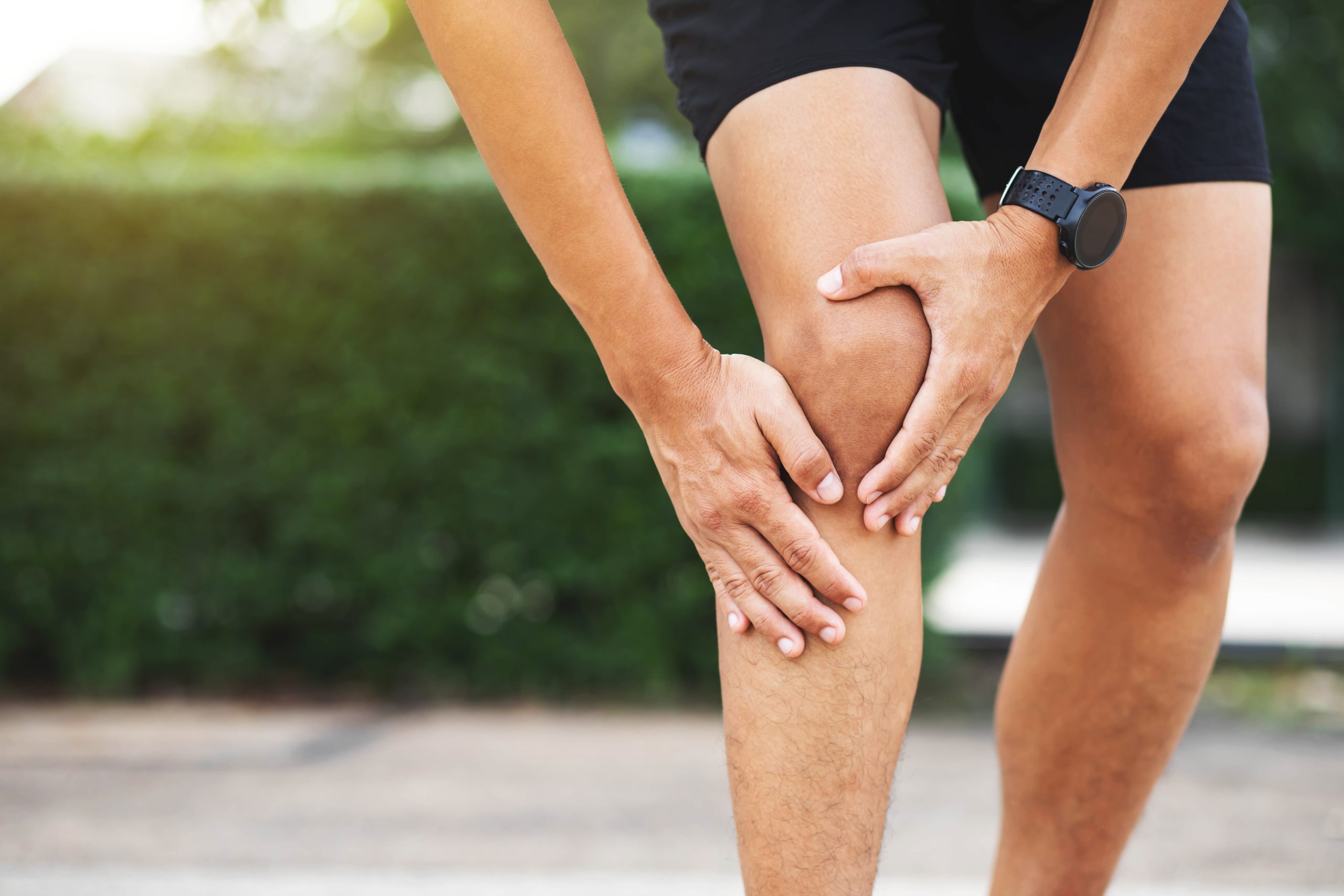
Cartilage is the flexible tissue that cushions our joints and allows for smooth, pain-free movement. When cartilage becomes damaged due to injury, wear and tear, or medical conditions, it can cause discomfort and limit how we use our joints. Thankfully, advances in medicine have brought new treatments, such as gel-based injections, that help repair damaged cartilage. As research shows, “Cells, scaffold therapies, and injectable agents have emerged as an adjunctive modality to improve clinical outcomes.” However, medical interventions are just one piece of the puzzle. Combining these treatments with lifestyle changes and appropriate exercise creates the best conditions for healing. Experts like Professor Paul Lee at the London Cartilage Clinic offer trusted care, helping patients navigate their recovery every step of the way.
Keeping active is crucial for healthy joints. Movement helps nourish cartilage by enhancing the circulation of fluid that delivers nutrients to it. To protect healing cartilage, low-impact exercises such as swimming, cycling, using an elliptical machine, and gentle strength training are ideal. These activities strengthen muscles and keep joints flexible without placing excessive pressure on delicate tissues.
If you’re starting or returning to exercise after treatment, take it slow. Begin with gentle warm-ups and pay attention to how your body feels—any pain or swelling is a sign to ease off. It’s sensible to avoid high-impact or twisting movements like running or intense sports during early recovery, as these can hinder healing.
Working closely with healthcare professionals, such as Professor Paul Lee, will help you create an exercise plan that’s tailored just for you and supports your recovery.
Healing cartilage is about more than exercise alone. Keeping a healthy weight is vital, as extra body mass places greater strain on your joints. Good quality sleep and staying well hydrated also support your body’s natural repair processes.
If you smoke, quitting is one of the best things you can do—smoking reduces blood flow and slows healing. In daily activities, remember to move safely: take care when climbing stairs, lifting objects, or sitting in positions that put less stress on your joints.
The London Cartilage Clinic understands that everyone’s lifestyle is different. Rehabilitation programmes take your individual needs and goals into account, helping you recover as smoothly as possible.
Eating well plays an important role in joint and cartilage health. A Mediterranean-style diet, rich in vegetables, fruits, whole grains, lean proteins, and healthy fats, provides antioxidants and anti-inflammatory nutrients that support healing.
Although many products claim to aid cartilage repair, no single food or supplement can magically cure damage or guarantee regrowth. As studies remind us, “all defects could be filled successfully” thanks to medical treatments like ChondroFiller liquid, but lifestyle and nutrition serve as important complements to these therapies.
For advice on nutrition that fits your specific needs, it’s best to consult knowledgeable healthcare professionals such as Professor Paul Lee. Remember, good nutrition works hand in hand with treatment and healthy habits.
Protecting your joint after treatments such as gel injections or surgery is essential. Follow your doctor’s instructions carefully, sticking to any restrictions on movement or activity. Be alert for unusual pain, swelling, redness, or warmth around the joint, and report any concerns promptly.
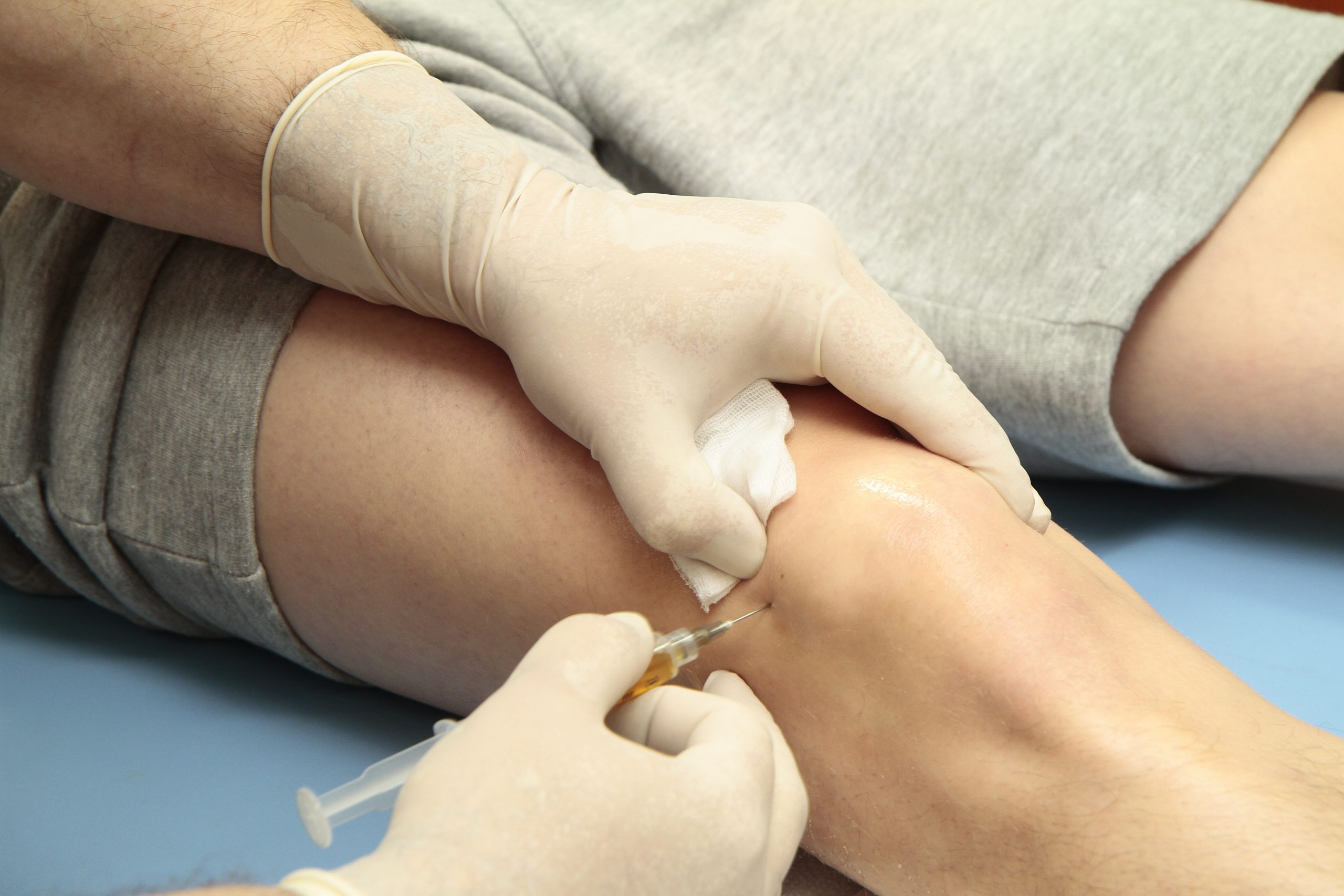
The way treatments are applied also matters. For example, it is crucial that “distance between the tip of the needle and the area to be filled should be minimal to ensure full contact with the chondral lesion,” maximising the effectiveness of the therapy.
Recovery is often slow and occurs in phases over weeks or months. Patience, combined with following professional advice, will lead to the best results. Keeping realistic expectations and staying engaged with your rehabilitation plan are key to maintaining motivation.
Open communication with your healthcare team ensures your recovery stays on track, with adjustments made where needed.
Healing cartilage well requires a balanced approach: safe, joint-friendly exercise; sensible lifestyle choices; a nutritious diet; and attentive post-treatment care. Expert guidance—such as from Professor Paul Lee and the dedicated team at London Cartilage Clinic—is invaluable in tailoring your recovery journey. And as always, for personalised medical advice, please consult a qualified healthcare professional.
Perez-Carro, L., Rosi Mendoza Alejo, P., Gutierrez Castanedo, G., Menendez Solana, G., Fernandez Divar, J. A., Galindo Rubin, P., & Alfonso Fernandez, A. (2021). Hip chondral defects: Arthroscopic treatment with the needle and curette technique and ChondroFiller. Arthroscopy Techniques, 10(6), e1427–e1432. https://doi.org/10.1016/j.eats.2021.03.011
Corain, M., Zanotti, F., Giardini, M., Gasperotti, L., Invernizzi, E., Biasi, V., & Lavagnolo, U. (2023). The use of an acellular collagen matrix ChondroFiller® Liquid for trapeziometacarpal osteoarthritis. Cartilage. https://doi.org/10.1177/19476035251354926
Schneider, U. (2016). Controlled, randomised multicentre study to compare compatibility and safety of ChondroFiller liquid (cell free 2-component collagen gel) with microfracturing of patients with focal cartilage defects of the knee joint. Vascular & Nonvascular Procedures, VNP05-2016-1-OA-1. https://doi.org/10.5348/VNP05-2016-1-OA-1
London Cartilage Clinic, led by Prof Paul Lee, is renowned for advanced cartilage treatments and personalised rehabilitation. Prof Lee brings extensive experience as a cartilage expert and surgical ambassador, ensuring each patient receives bespoke guidance and support throughout their recovery journey.
Professor Paul Lee is a highly respected cartilage expert, Regional Surgical Ambassador, and Royal College of Surgeon of Edinburgh Advisor and Ambassador. His expertise and involvement in cutting-edge cartilage therapies ensure that patients benefit from the latest in joint restoration science.
Gentle, low-impact exercises such as swimming, cycling, and strength training are recommended. At London Cartilage Clinic, Prof Lee tailors exercise plans to individual needs, promoting safe movement and supporting optimal healing of joints after cartilage treatment.
Adopting a Mediterranean-style diet, maintaining a healthy weight, and avoiding smoking help cartilage repair naturally. Prof Paul Lee and his team at London Cartilage Clinic provide holistic advice, supporting patients with nutrition and lifestyle strategies alongside medical interventions.
Recovery is gradual and involves carefully following post-treatment guidance. Prof Lee’s team monitors progress, adjusts rehabilitation plans, and encourages ongoing communication to support each patient’s unique recovery needs, fostering the best possible outcomes for joint health.
All our treatments are selected to help patients achieve the best possible outcomes and return to the quality of life they deserve. Get in touch if you have any questions.
At London Cartilage Clinic, we are constantly staying up-to-date on the latest treatment options for knee injuries and ongoing knee health issues. As a result, our patients have access to the best equipment, techniques, and expertise in the field, whether it’s for cartilage repair, regeneration, or replacement.
For the best in patient care and cartilage knowledge, contact London Cartilage Clinic today.
At London Cartilage Clinic, our team has spent years gaining an in-depth understanding of human biology and the skills necessary to provide a wide range of cartilage treatments. It’s our mission to administer comprehensive care through innovative solutions targeted at key areas, including cartilage injuries. During an initial consultation, one of our medical professionals will establish which path forward is best for you.
Contact us if you have any questions about the various treatment methods on offer.
Legal & Medical Disclaimer
This article is written by an independent contributor and reflects their own views and experience, not necessarily those of londoncartilage.com. It is provided for general information and education only and does not constitute medical advice, diagnosis, or treatment.
Always seek personalised advice from a qualified healthcare professional before making decisions about your health. londoncartilage.com accepts no responsibility for errors, omissions, third-party content, or any loss, damage, or injury arising from reliance on this material. If you believe this article contains inaccurate or infringing content, please contact us at [email protected].