 Cartilage
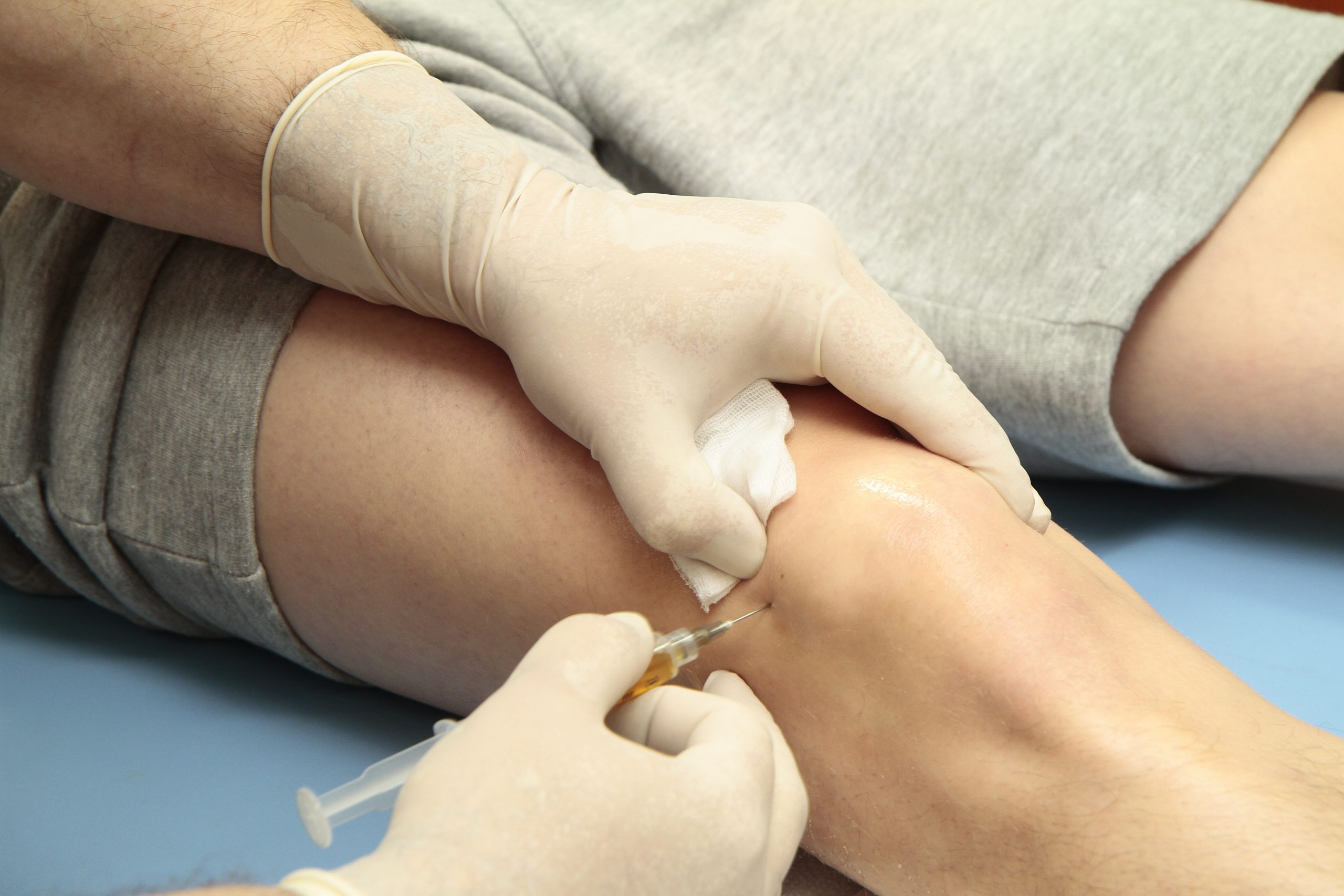 Knees
Knees Hip
Hip Shoulder
Arthrosamid’s Role in Easing Post-Meniscectomy Knee Symptoms for Osteoarthritis Patients: A Targeted Approach
28/01/26


Cartilage damage is a common yet tricky problem, often causing joint pain, stiffness, and reduced mobility that affects daily life. Thankfully, advances in medical science have brought us more effective ways to repair damaged cartilage. Two of the leading treatments today are ChondroFiller and stem cell therapy, each taking a different route to help your joints heal.
Understanding how these methods work—and their pros and cons—can help patients and clinicians make informed choices. Professor Paul Lee, a renowned cartilage specialist at the London Cartilage Clinic, is at the forefront of this evolving field, guiding patients with up-to-date expertise and personalised care.
Cartilage is the smooth, rubbery tissue that cushions your joints, allowing bones to glide over one another without friction. Unlike other tissues, cartilage doesn‘t have its own blood supply, making it slow and difficult to repair once injured. Damage can result from sports injuries, accidents, years of wear and tear, or simply getting older. Common signs include joint pain, swelling, stiffness, and trouble moving.
If untreated, these problems may worsen over time, potentially leading to arthritis and lasting joint damage. Choosing the right treatment early on can ease symptoms, restore joint function, and improve quality of life.
ChondroFiller is a remarkable, cell-free treatment made mostly from type I collagen—a key building block in cartilage. It’s applied as a liquid directly onto the damaged area during a minimally invasive procedure, usually done in one step. This contrasts with more complex methods that involve taking cells from the patient and growing them in a lab.
According to recent clinical work, “ChondroFiller liquid… is used for the treatment of symptomatic full-thickness chondral defects of the hip in a 1-step arthroscopic procedure.” This means it can be applied efficiently without the need for multiple surgeries.
What makes ChondroFiller special is how it acts like a scaffold, creating a protective layer that encourages your own cartilage cells to grow and repair naturally. It also has unique mechanical properties, displaying a “bi-phasic structure” where a large proportion is a gel-like material that helps absorb shocks and protect the joint.
Patients benefit from a simpler, less invasive treatment with quicker recovery times. One study showed “an improvement in pain symptoms, associated with an increase in force in the pincer and grip movements evaluated with clinical tests,” signalling meaningful gains in hand strength and function.
Stem cell therapy taps into the body’s natural repair power by collecting stem cells from bone marrow or fat tissue, processing them, and injecting or implanting them into the damaged cartilage. Stem cells can develop into cartilage cells, potentially regenerating the tissue more fully.
However, this therapy is more complex and often involves multiple stages—cell harvesting, lab expansion, and surgery—which means longer treatment times and higher costs. Success can vary between patients, making careful assessment and specialist input crucial.
Here are some key points to help understand how these two treatments differ:
Both ChondroFiller and stem cell therapy provide exciting options for cartilage repair. ChondroFiller offers a straightforward, one-step treatment promoting natural healing, while stem cell therapy offers a sophisticated but more demanding regenerative strategy.
Choosing the best path depends on individual needs, injury specifics, and lifestyle. Specialists like Professor Paul Lee at the London Cartilage Clinic can provide personalised advice, ensuring the treatment aligns with each patient’s goals and circumstances.
If you’re considering cartilage repair options, a thorough discussion with your healthcare professional is essential.
The London Cartilage Clinic combines cutting-edge treatments with personalised care, led by Professor Paul Lee—a recognised cartilage expert and surgical ambassador. Patients benefit from his extensive experience and access to the latest cartilage repair technologies in the heart of London.
Professor Paul Lee is an internationally respected cartilage specialist, serving as Regional Surgical Ambassador and advisor to the Royal College of Surgeons of Edinburgh. His leadership ensures patients receive evidence-based, tailored treatment options using advanced techniques for optimal joint health.
ChondroFiller is a minimally invasive, single-step solution that avoids cell harvesting. It offers patients faster recovery and exceptional pain relief by functioning as a scaffold, encouraging natural cartilage regeneration with fewer complexities than traditional or multi-stage treatments.
Stem cell therapy suits patients seeking a sophisticated regenerative approach. The London Cartilage Clinic provides comprehensive assessment and guidance, helping individuals explore this option when aiming for deeper cartilage repair, always considering each person’s needs and circumstances.
Early assessment by a cartilage expert like Professor Lee helps address joint pain or injury before deterioration occurs. Timely treatment can reduce symptoms, preserve function, and enhance long-term joint health—maximising the benefits of available advanced therapies.
All our treatments are selected to help patients achieve the best possible outcomes and return to the quality of life they deserve. Get in touch if you have any questions.
At London Cartilage Clinic, we are constantly staying up-to-date on the latest treatment options for knee injuries and ongoing knee health issues. As a result, our patients have access to the best equipment, techniques, and expertise in the field, whether it’s for cartilage repair, regeneration, or replacement.
For the best in patient care and cartilage knowledge, contact London Cartilage Clinic today.
At London Cartilage Clinic, our team has spent years gaining an in-depth understanding of human biology and the skills necessary to provide a wide range of cartilage treatments. It’s our mission to administer comprehensive care through innovative solutions targeted at key areas, including cartilage injuries. During an initial consultation, one of our medical professionals will establish which path forward is best for you.
Contact us if you have any questions about the various treatment methods on offer.
Legal & Medical Disclaimer
This article is written by an independent contributor and reflects their own views and experience, not necessarily those of londoncartilage.com. It is provided for general information and education only and does not constitute medical advice, diagnosis, or treatment.
Always seek personalised advice from a qualified healthcare professional before making decisions about your health. londoncartilage.com accepts no responsibility for errors, omissions, third-party content, or any loss, damage, or injury arising from reliance on this material. If you believe this article contains inaccurate or infringing content, please contact us at [email protected].