 Cartilage
 Knees
Knees Hip
Hip Shoulder
ChondroFiller and the Path to Genuine Cartilage Regeneration
07/02/26


Knee osteoarthritis is a common and often challenging condition, especially for those over 65. As we age, maintaining independence and staying active become increasingly important, yet joint pain can make everyday activities difficult. This article explores how Arthrosamid, a simple yet effective treatment, can help older adults find relief and improve their quality of life. We also highlight the expertise of Professor Paul Lee, a leading specialist in orthopaedics and rehabilitation at the London Cartilage Clinic, a centre well known for its compassionate, patient-focused care.
For many older adults, knee osteoarthritis means struggling with household chores, gardening, or playing with grandchildren – activities that once brought joy and a sense of freedom. The constant discomfort can lead to a loss of independence and fewer opportunities to socialise or plan family outings. Beyond the physical pain, there’s also an emotional toll: frustration, sadness and a feeling of losing control over one’s life. This process of “seeking relief” is not just about pain management. As research explains, it involves deeper motivation mechanisms in the brain that drive us to take action to ease our discomfort and regain comfort in daily life.
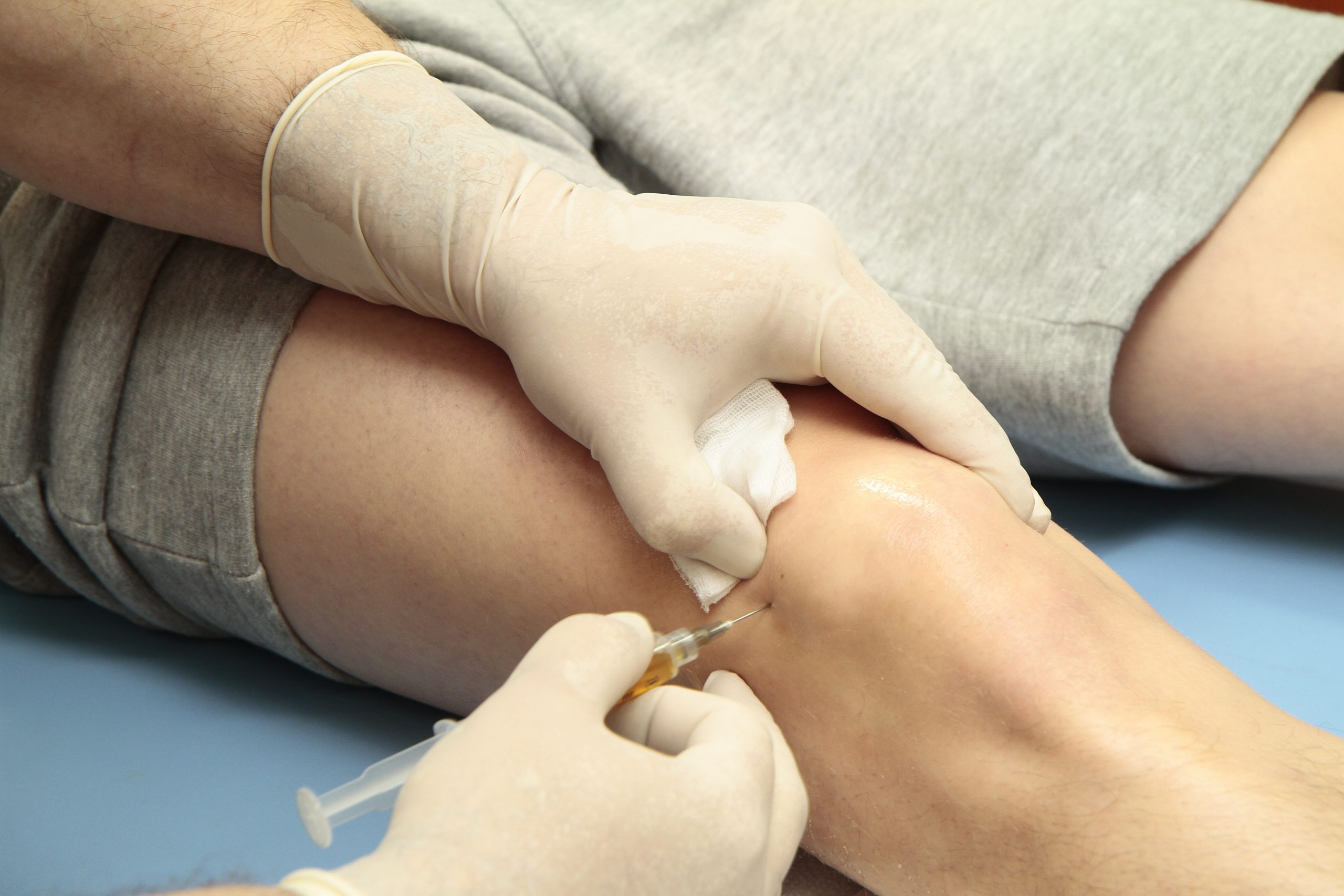
Arthrosamid stands out because of its simple and steady approach to easing joint pain. The treatment involves injecting a special gel – made from polyacrylamide – into the knee joint. This gel cushions and soothes the joint, reducing inflammation and irritation. For many people over 65, Arthrosamid is appealing because it is minimally invasive, meaning it avoids the more complicated risks and recovery times of surgery. Its easy treatment process means patients can quickly get back to their usual routines without disruption, making it a practical and manageable option for ongoing relief.
One of the most rewarding outcomes of Arthrosamid treatment is the return of confidence and mobility. With less pain, older adults often find themselves able to enjoy favourite activities again – whether it’s tending to the garden, playing with grandchildren, or simply making plans with friends. This renewed freedom to plan and engage in life boosts both physical wellbeing and emotional health. As studies highlight, the difference between easing pain and gaining a sense of reward can be subtle but powerful: reducing discomfort doesn’t just relieve suffering, it restores motivation and control over life’s pleasures.
Choosing the right treatment is crucial, and expert guidance ensures the best results. Professor Paul Lee brings years of experience to the care of older patients with knee osteoarthritis, tailoring treatment plans to individual needs. At the London Cartilage Clinic, patients benefit from a warm, reassuring environment where their questions and concerns are heard. This personalised approach builds trust, helping patients feel confident about their treatment choices and the path to recovery with Arthrosamid.
In summary, Arthrosamid offers a straightforward and effective treatment option for people over 65 who want to manage knee osteoarthritis and maintain their independence. It provides a way to control symptoms, reduce pain, and return to everyday activities with greater comfort. However, it is always important to seek advice from a qualified healthcare professional who can offer personalised recommendations suited to your individual health needs. For individual medical advice, please consult your healthcare provider.
De Benedetti, F. (2020). Seeking relief. In Seeking Relief (pp. 88-105). Oxford University Press. https://doi.org/10.1093/oso/9780198843177.003.0004
Arthrosamid is minimally invasive and avoids complex surgery, making it ideal for older adults seeking relief. This treatment involves a special gel injection that cushions and soothes the knee joint, reducing pain and irritation while allowing a quick return to daily routines.
Patients at London Cartilage Clinic experience compassionate, patient-focused care led by Prof Paul Lee, a cartilage expert. The Clinic tailors treatment plans for individual needs and provides a warm, supportive environment that empowers patients to make informed decisions about their knee health.
Professor Paul Lee is a highly experienced orthopaedic specialist and cartilage expert, recognised as the Regional Surgical Ambassador and Advisor for the Royal College of Surgeons of Edinburgh. His expertise ensures careful and personalised management of knee osteoarthritis for older adults.
By reducing knee pain and inflammation, Arthrosamid allows patients to return to valued activities such as gardening or spending time with grandchildren. This restoration of comfort and confidence can significantly enhance both physical wellness and emotional wellbeing for older adults.
Expert guidance ensures treatment is suited to each patient’s needs, providing reassurance and the best outcomes. At London Cartilage Clinic, under Prof Lee’s supervision, patients receive individual attention and tailored plans that support informed choices and help maximise treatment benefits.
All our treatments are selected to help patients achieve the best possible outcomes and return to the quality of life they deserve. Get in touch if you have any questions.
At London Cartilage Clinic, we are constantly staying up-to-date on the latest treatment options for knee injuries and ongoing knee health issues. As a result, our patients have access to the best equipment, techniques, and expertise in the field, whether it’s for cartilage repair, regeneration, or replacement.
For the best in patient care and cartilage knowledge, contact London Cartilage Clinic today.
At London Cartilage Clinic, our team has spent years gaining an in-depth understanding of human biology and the skills necessary to provide a wide range of cartilage treatments. It’s our mission to administer comprehensive care through innovative solutions targeted at key areas, including cartilage injuries. During an initial consultation, one of our medical professionals will establish which path forward is best for you.
Contact us if you have any questions about the various treatment methods on offer.
Legal & Medical Disclaimer
This article is written by an independent contributor and reflects their own views and experience, not necessarily those of londoncartilage.com. It is provided for general information and education only and does not constitute medical advice, diagnosis, or treatment.
Always seek personalised advice from a qualified healthcare professional before making decisions about your health. londoncartilage.com accepts no responsibility for errors, omissions, third-party content, or any loss, damage, or injury arising from reliance on this material. If you believe this article contains inaccurate or infringing content, please contact us at [email protected].