 Cartilage
 Knees
Knees Hip
Hip Shoulder
ChondroFiller and the Path to Genuine Cartilage Regeneration
07/02/26


Knee osteoarthritis (OA) is a common and often frustrating condition for many active adults, especially those who enjoy recreational sports or see themselves as “weekend warriors.” Early-stage knee OA is marked by the beginning of cartilage wear and mild but persistent symptoms such as pain, stiffness, and occasional swelling. If left unaddressed, these symptoms can slowly limit joint function and mobility. For those eager to keep moving and stay active, recognising and treating early knee OA is vital to maintain joint health and overall resilience. In this article, we’ll explore how Arthrosamid, a minimally invasive treatment, can help active adults manage early knee OA and continue living an active and fulfilling life.
Early knee osteoarthritis is the initial phase of joint wear and tear, often showing up as subtle symptoms and minimal changes on standard X-rays. It is increasingly detected in active adults who regularly take part in low-impact exercises, sports or occasional vigorous activities. While symptoms might seem mild initially, they can steadily interfere with daily movements and disrupt exercise routines.
Advanced imaging techniques reveal that even at this early stage, the knee joint may already be undergoing significant changes. For example, a study by Valerio and colleagues found that “cartilage cracks and erosions covering over half the surface area were visible in key parts of the knee, despite minimal findings on X-rays.” They also observed that “inflammation of the joint lining, called synovitis, was present in 60% of cases even in early stages.” This tells us that the damage is more than just wear and tear; the joint becomes inflamed, which contributes to pain and stiffness.
For active adults, this means early OA is not just a physical hurdle — it can affect lifestyle enjoyment and fitness levels. Instead of stopping activities altogether, modern management encourages what’s called “pacing, not pausing” — modifying activities to reduce strain while staying active and promoting joint health.
Conventional treatment for early knee OA includes physiotherapy to strengthen muscles around the joint, lifestyle changes such as weight management, and pain relief through medication. There’s solid evidence that exercise improves joint function and eases discomfort, and empowering patients to manage their condition through self-care is widely recommended.
Yet, for many recreational athletes and active individuals, these strategies can feel limiting. Slow symptom improvement or the need to scale back on beloved activities is frustrating when maintaining a high level of fitness is a priority. This has led doctors and patients to consider additional options that can offer quicker symptom relief without forcing a long break from activity.
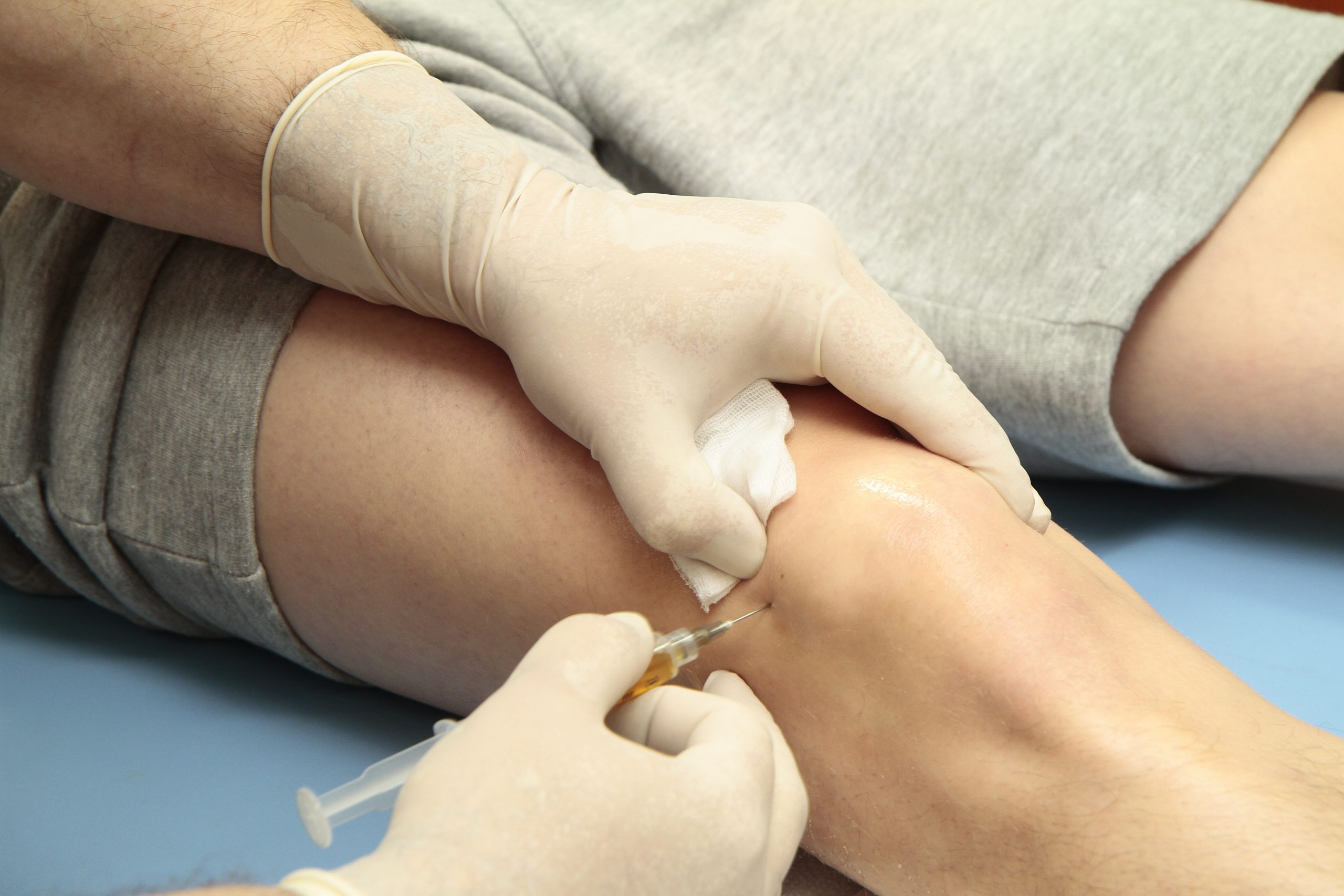
Arthrosamid presents a promising solution for those with early knee OA. It involves injecting a polyacrylamide hydrogel—a gel-like substance—directly into the knee joint. This gel acts as a cushion and lubricant, supplementing the knee’s natural joint fluid and cushioning cartilage surfaces. The treatment is minimally invasive, usually done as an outpatient procedure, and allows for quick recovery compared to surgery or long-term medication.
Importantly, recent research shows Arthrosamid provides meaningful, lasting improvements in symptoms and joint function. A 24-month study tracking over 300 knees treated with this gel found that “older, non-diabetic patients with milder knee OA saw the greatest benefit.” Moreover, the researchers noted that “early targeting of cartilage damage could prevent further joint deterioration and related problems.” For active adults facing early knee OA, this means that timely treatment could keep their knees functioning well as they continue with sport or exercise.
A key concept in managing knee OA is “pacing, not pausing.” Instead of stopping exercise completely, this approach encourages adjusting activity intensity and choosing low-impact options to protect the joint while maintaining strength, flexibility, and mental wellbeing.
Arthrosamid fits well into this strategy by reducing pain and providing cushioning that makes movement less uncomfortable. When combined with physiotherapy, self-care, and sensible training adjustments, it helps individuals manage symptoms effectively and maintain an active lifestyle. This holistic approach boosts physical resilience—the body’s ability to adapt and recover—and supports long-term joint health.
If you’re considering Arthrosamid or other innovative treatments for early knee OA, expert advice is crucial. Professor Paul Lee, a highly respected cartilage specialist with broad experience in orthopaedics and rehabilitation, leads care at the London Cartilage Clinic. Known for his patient-centred approach, Professor Lee emphasises minimally invasive treatments tailored to each person’s goals and lifestyle.
The London Cartilage Clinic offers a welcoming, professional environment where patients receive thorough assessments and personalised care plans. This makes it an excellent place for recreational athletes and active adults to explore options like Arthrosamid, helping them stay on track with their fitness and mobility goals.
Arthrosamid is proving to be a valuable addition to managing early knee OA, especially for adults eager to sustain an active lifestyle. Its gentle, minimally invasive method offers encouraging improvements in symptoms and joint function, helping patients keep moving with less pain.
If you think you might be developing early knee OA, or if you’re looking for treatment options that fit your active life, it’s essential to speak with healthcare professionals experienced in joint care. Clinics like the London Cartilage Clinic can provide the guidance and support needed to develop a personalised management plan focused on pacing, resilience, and long-term joint health.
For individual advice, always consult a qualified healthcare professional.
Valerio, A., Sánchez, A., Calderon Candelario, R. A., Lozada, C. J., Pineda, C., Gutierrez Bernal, A., Hernández, G., Díez Hernández, A., Marín, N., & Espinosa, R. (2014). Ultrasonographic findings in young adult patients with early osteoarthritis (OA) of the knee. Preliminary data. Osteoarthritis and Cartilage, 22, S287–S288. https://doi.org/10.1016/j.joca.2014.02.534
Early knee osteoarthritis causes subtle pain, stiffness and swelling, often disrupting regular activity. For active adults, these symptoms can limit movement and enjoyment of sports. Early recognition and modern management are crucial to maintain joint health and an active lifestyle.
Arthrosamid is a minimally invasive hydrogel injection providing cushioning and lubrication to the knee. Unlike surgery or long-term medication, it enables quicker recovery and may offer lasting symptom improvement, which Professor Lee expertly tailors to match each patient’s active lifestyle.
Professor Paul Lee is a renowned cartilage expert and Regional Surgical Ambassador, bringing extensive experience in orthopaedics and rehabilitation. His personalised, patient-centred approach and focus on minimally invasive techniques set the London Cartilage Clinic apart in cartilage care.
Clinical evidence suggests Arthrosamid can support joint function and reduce pain, enabling continued activity. At the London Cartilage Clinic, tailored programmes combine this treatment with physiotherapy and lifestyle advice to help active adults pursue fitness goals while protecting their joints.
The London Cartilage Clinic offers a professional, welcoming environment led by Professor Lee. Patients receive thorough assessments, detailed discussions about their goals, and personalised care plans, making it a leading choice for those seeking modern solutions for knee osteoarthritis.
All our treatments are selected to help patients achieve the best possible outcomes and return to the quality of life they deserve. Get in touch if you have any questions.
At London Cartilage Clinic, we are constantly staying up-to-date on the latest treatment options for knee injuries and ongoing knee health issues. As a result, our patients have access to the best equipment, techniques, and expertise in the field, whether it’s for cartilage repair, regeneration, or replacement.
For the best in patient care and cartilage knowledge, contact London Cartilage Clinic today.
At London Cartilage Clinic, our team has spent years gaining an in-depth understanding of human biology and the skills necessary to provide a wide range of cartilage treatments. It’s our mission to administer comprehensive care through innovative solutions targeted at key areas, including cartilage injuries. During an initial consultation, one of our medical professionals will establish which path forward is best for you.
Contact us if you have any questions about the various treatment methods on offer.
Legal & Medical Disclaimer
This article is written by an independent contributor and reflects their own views and experience, not necessarily those of londoncartilage.com. It is provided for general information and education only and does not constitute medical advice, diagnosis, or treatment.
Always seek personalised advice from a qualified healthcare professional before making decisions about your health. londoncartilage.com accepts no responsibility for errors, omissions, third-party content, or any loss, damage, or injury arising from reliance on this material. If you believe this article contains inaccurate or infringing content, please contact us at [email protected].