 Cartilage
 Knees
Knees Hip
Hip Shoulder
Tailoring Surgical Repair for Hip Labrum Tears by Age and Tear Severity
30/01/26


Knee cartilage damage affects millions around the world and remains a tough problem to treat. Cartilage is a tough yet delicate tissue that cushions and smooths joint movements, but unfortunately, it doesn’t repair itself easily when injured. For many years, surgery has been the main option to fix cartilage damage, but these procedures can be invasive, painful, and entail long recovery times. Thankfully, recent advances in knee cartilage regenerative medicine are opening up hopeful new non-surgical alternatives. Injectable cartilage gels, combined with ultrasound activation, are at the forefront of this exciting progress. This article will explain how these treatments work, discuss the research that supports their promise, and offer useful insights for patients curious about these less invasive options.
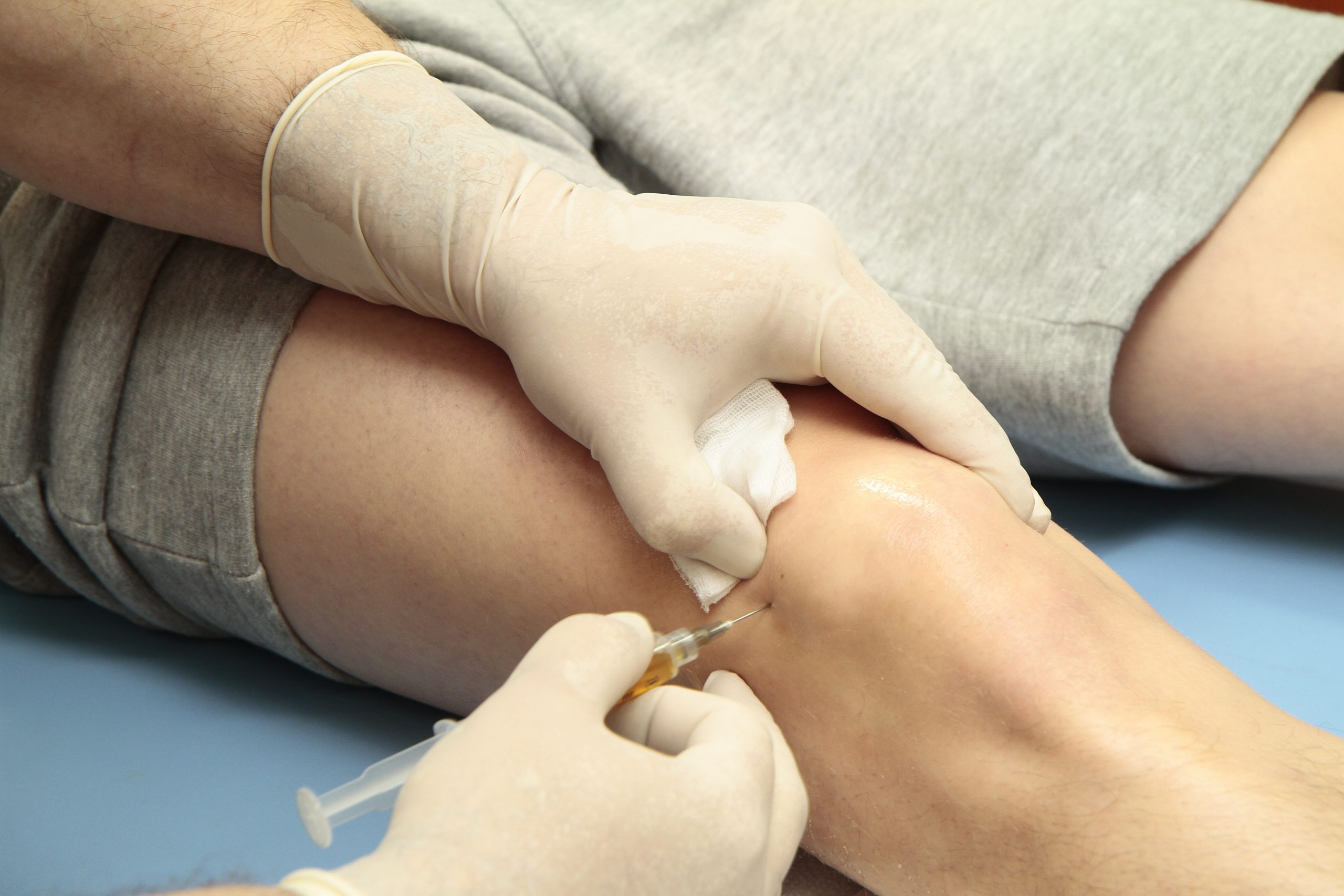
Injectable cartilage gel therapy is an innovative treatment that encourages the regrowth of damaged cartilage – all without going under the knife. Essentially, a specially designed gel is injected straight into the affected knee joint. This gel acts like a supportive scaffold, creating a nurturing environment where new cartilage cells can grow and repair the injury.
Cartilage is especially tricky to heal because it doesn’t have its own blood supply, meaning it lacks the natural resources needed for quick repair. The injectable gels contain advanced biomaterials that mimic the natural ‘matrix’ or framework surrounding cartilage cells, encouraging them to multiply and mature. Research has been promising: one multicentre study described the method as “a safe and simple workable method,” reporting good defect filling and excellent integration with existing cartilage (Schneider, 2016).
Further evidence comes from studies on other joints, where collagen-based injections led to “an improvement in pain symptoms, associated with increased grip and pinch strength” (Corain et al., 2023). These gels are often packed with bioactive substances and fibrous elements that boost cell activity and promote tissue healing. Unlike traditional surgery, which physically alters the joint structure, injectable gels work biologically and are much less invasive, offering patients a gentler way to encourage natural repair.
One of the most promising enhancements to injectable gel therapy is ultrasound activation. This technique uses gentle sound waves applied externally to the knee after the gel has been injected. These sound waves interact with the gel and surrounding tissues, stimulating cell activity and speeding up the repair process.
Because ultrasound can be carefully targeted, it allows doctors to focus treatment precisely where it’s needed and adjust the strength of stimulation. Early studies indicate that ultrasound not only promotes stronger cartilage regrowth but also helps reduce joint inflammation. In fact, clinical follow-ups have highlighted “good immediate filling of treated defects with perfect integration to the surrounding cartilage from the very start” (Schneider, 2016). Moreover, MRI scans have shown improvements such as “reduction of bone swelling and joint fluid” after treatment (Corain et al., 2023). While still being thoroughly tested, ultrasound activation adds an exciting dimension to non-surgical cartilage repair by potentially enhancing results safely and effectively.
It helps to understand how these new treatments compare with conventional options like microfracture surgery and arthroscopy. Microfracture involves creating tiny holes in the bone beneath damaged cartilage to encourage repair, and arthroscopy allows surgeons to clean or smooth the joint. While these methods can be effective, they often require hospital stays, carry risks such as infection or stiffness, and usually mean a long recovery.
By contrast, non-surgical cartilage regrowth treatments involving injectable gels and ultrasound usually mean quicker recovery and fewer complications. Research reports “significant improvements in clinical outcomes compared to pre-treatment levels” following injection therapies (Schneider, 2016). Surgeons have also developed clever techniques to deliver these injectables precisely—even in tricky joints—using tools like a combination of a needle and curette to reach difficult areas more effectively (Perez-Carro et al., 2021).
For many patients, particularly those unsuitable for surgery due to age or health, these non-surgical options offer a less daunting and more accessible path to joint recovery. They harness the body’s own ability to heal rather than relying solely on surgical intervention.
If you’re thinking about these non-surgical cartilage therapies, it’s important to know what the treatment journey might look like. Injectable gel therapy combined with ultrasound activation is usually done as an outpatient procedure, meaning no hospital stay is needed. Discomfort is generally mild, and recovery tends to be quicker than with surgery. Early results suggest reduced pain and improved joint function—but keep in mind that clinical experience is still growing, and longer-term outcomes are being studied.
Safety is paramount. Treatments should be supervised by experts with strong backgrounds in orthopaedics and rehabilitation, who can tailor plans to your individual needs. Clinics such as the London Cartilage Clinic provide comprehensive care that supports patients through every step—from assessment to follow-up.
Above all, having an open dialogue with your healthcare provider is essential. By asking informed questions and understanding your options fully, you can make confident decisions about your joint health.
Ultrasound-activated injectable gels are a promising leap forward in treating knee cartilage damage without surgery. By combining sophisticated biomaterials with precise ultrasound stimulation, these treatments encourage natural cartilage regrowth safely and effectively. While further research will deepen our understanding and refinement of these methods, they already offer new hope to patients wary of traditional surgery.
For personal medical advice, always consult a qualified healthcare professional.
Schneider, U. (2016). Controlled, randomized multicenter study to compare compatibility and safety of ChondroFiller liquid (cell free 2-component collagen gel) with microfracturing of patients with focal cartilage defects of the knee joint.
Corain, M., Zanotti, F., Giardini, M., Gasperotti, L., Invernizzi, E., Biasi, V., & Lavagnolo, U. (2023). The use of an acellular collagen matrix ChondroFiller® liquid for trapeziometacarpal osteoarthritis.
Perez-Carro, L., Rosi Mendoza Alejo, P., Gutierrez Castanedo, G., Menendez Solana, G., Fernandez Divar, J. A., Galindo Rubin, P., & Alfonso Fernandez, A. (2021). Hip chondral defects: Arthroscopic treatment with the needle and curette technique and ChondroFiller.
The London Cartilage Clinic offers innovative non-surgical solutions, led by Prof Paul Lee, a renowned cartilage expert and Royal College of Surgeon of Edinburgh Ambassador, providing patients with advanced care and tailored support throughout the treatment process.
Injectable gels combined with ultrasound therapy promote natural cartilage repair, offering less invasive treatment, shorter recovery times, and fewer complications, making them attractive alternatives for patients seeking to avoid traditional surgical methods.
Prof Paul Lee is a highly experienced cartilage expert, holding advisory roles with prestigious surgical colleges, ensuring his treatments at London Cartilage Clinic are guided by the latest research and best orthopaedic practices for safe, personalised care.
Non-surgical therapies like injectable gels and ultrasound are conducted as outpatient procedures, typically involving mild discomfort and rapid recovery. Suitability is carefully assessed by Prof Lee and his team, ensuring patient safety remains the highest priority.
During your visit, Prof Paul Lee will thoroughly assess your joint condition and discuss suitable options, outlining each step of therapy. Patients receive individualised care plans and ongoing support to achieve the best possible outcomes for knee cartilage recovery.
All our treatments are selected to help patients achieve the best possible outcomes and return to the quality of life they deserve. Get in touch if you have any questions.
At London Cartilage Clinic, we are constantly staying up-to-date on the latest treatment options for knee injuries and ongoing knee health issues. As a result, our patients have access to the best equipment, techniques, and expertise in the field, whether it’s for cartilage repair, regeneration, or replacement.
For the best in patient care and cartilage knowledge, contact London Cartilage Clinic today.
At London Cartilage Clinic, our team has spent years gaining an in-depth understanding of human biology and the skills necessary to provide a wide range of cartilage treatments. It’s our mission to administer comprehensive care through innovative solutions targeted at key areas, including cartilage injuries. During an initial consultation, one of our medical professionals will establish which path forward is best for you.
Contact us if you have any questions about the various treatment methods on offer.
Legal & Medical Disclaimer
This article is written by an independent contributor and reflects their own views and experience, not necessarily those of londoncartilage.com. It is provided for general information and education only and does not constitute medical advice, diagnosis, or treatment.
Always seek personalised advice from a qualified healthcare professional before making decisions about your health. londoncartilage.com accepts no responsibility for errors, omissions, third-party content, or any loss, damage, or injury arising from reliance on this material. If you believe this article contains inaccurate or infringing content, please contact us at [email protected].