Redesigning Recovery: Is Cartilage Regeneration Actually Possible in Modern Orthopaedics?

Redesigning Recovery: Is Cartilage Regeneration Actually Possible in Modern Orthopaedics?

John Davies

Written By John Davies

Introduction
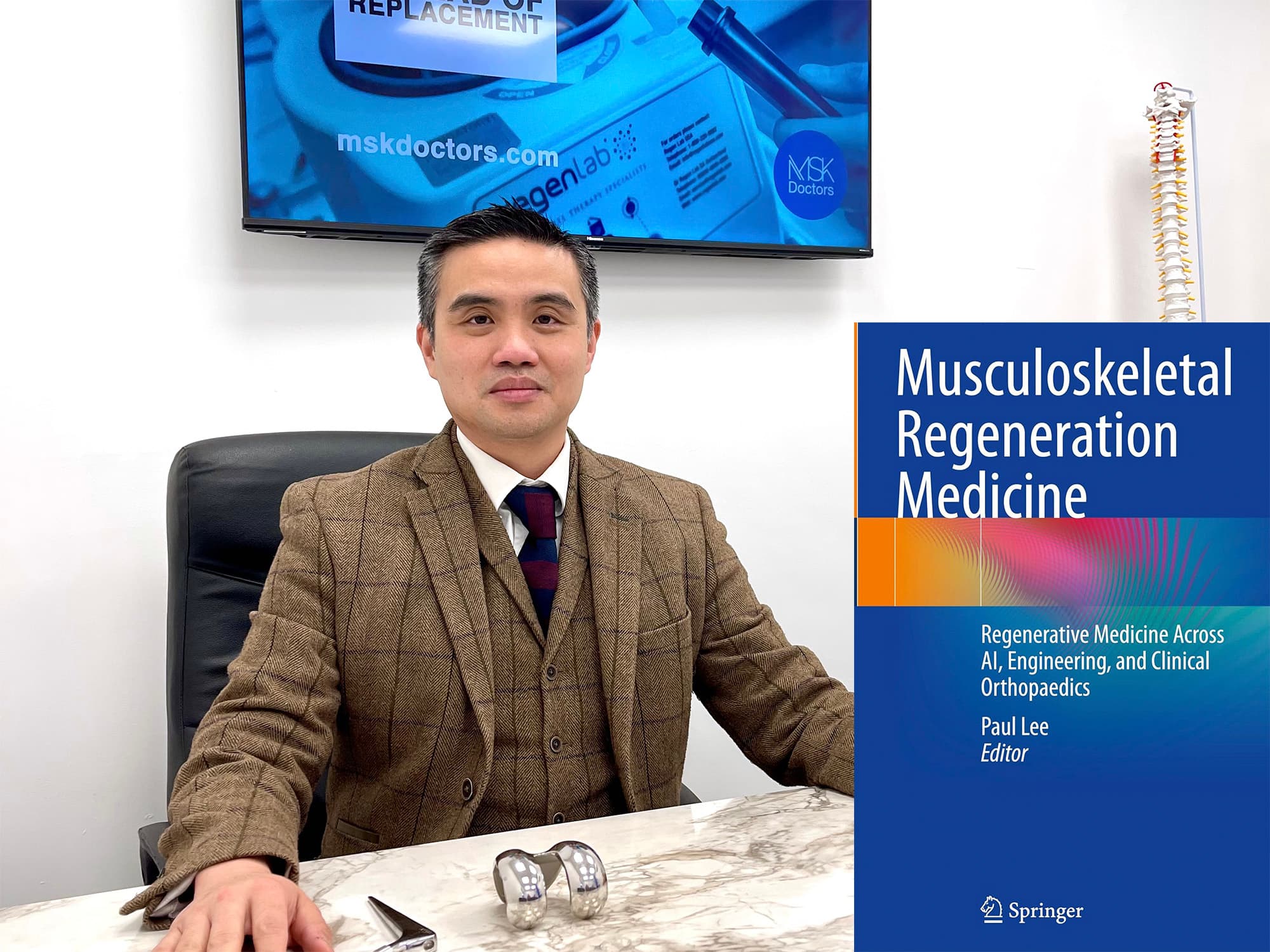
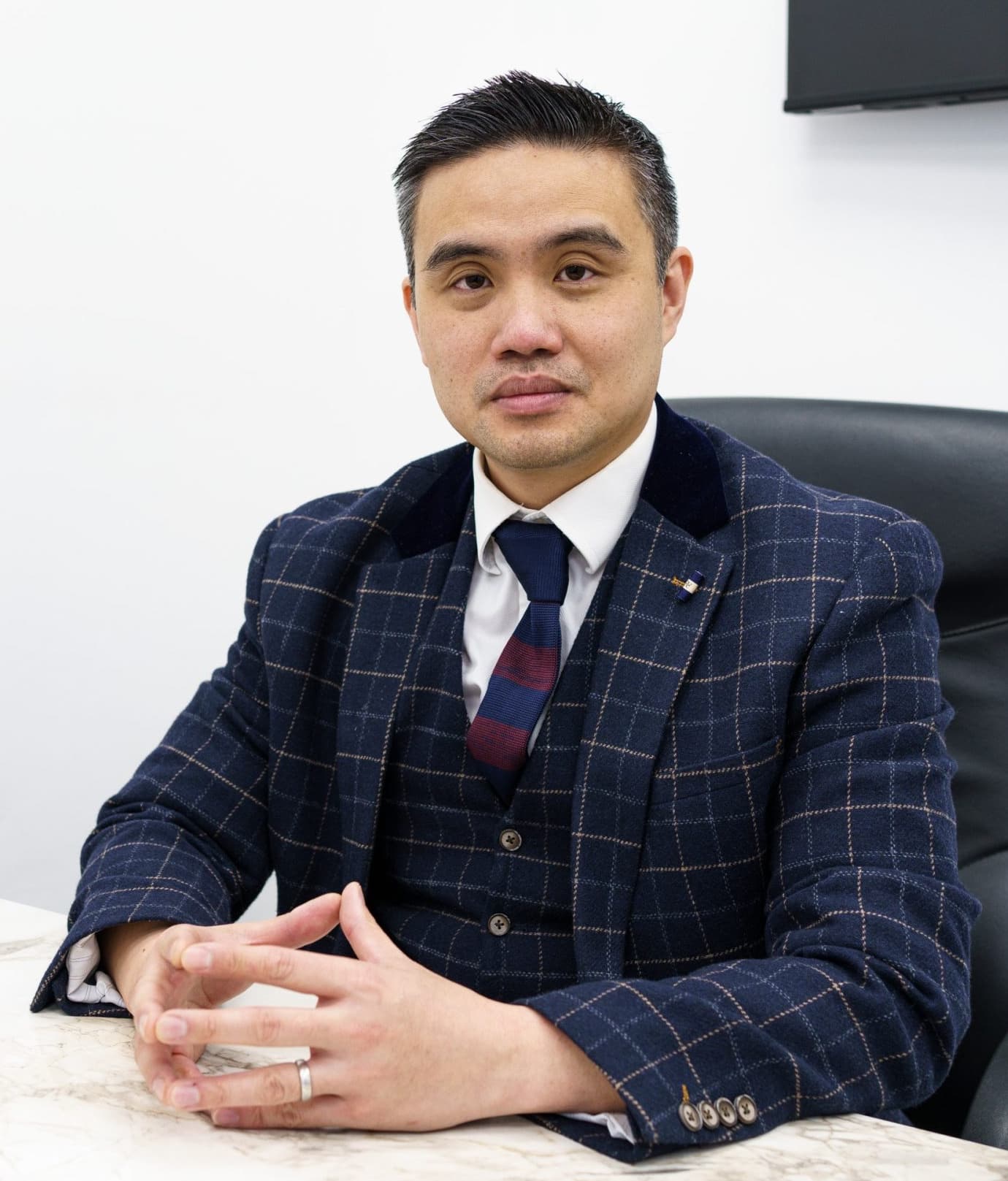
For many years, the common belief has been that cartilage “hardly heals”. This view, deeply rooted in both medical minds and the wider public, painted cartilage damage as largely permanent and inevitable. However, thanks to remarkable advances in medical science, treatment techniques, and rehabilitation strategies, this old notion is being challenged and redefined. These exciting developments offer renewed hope for people suffering from joint pain, injuries, or degenerative conditions. Leading the charge is Professor Paul Lee, a respected cartilage specialist with extensive clinical experience. At the London Cartilage Clinic, he and his team are pioneering professional and compassionate care focused on helping patients recover with the latest breakthroughs in cartilage regeneration.

A Historical Perspective: Why Was Cartilage Thought to Be Irreparable?

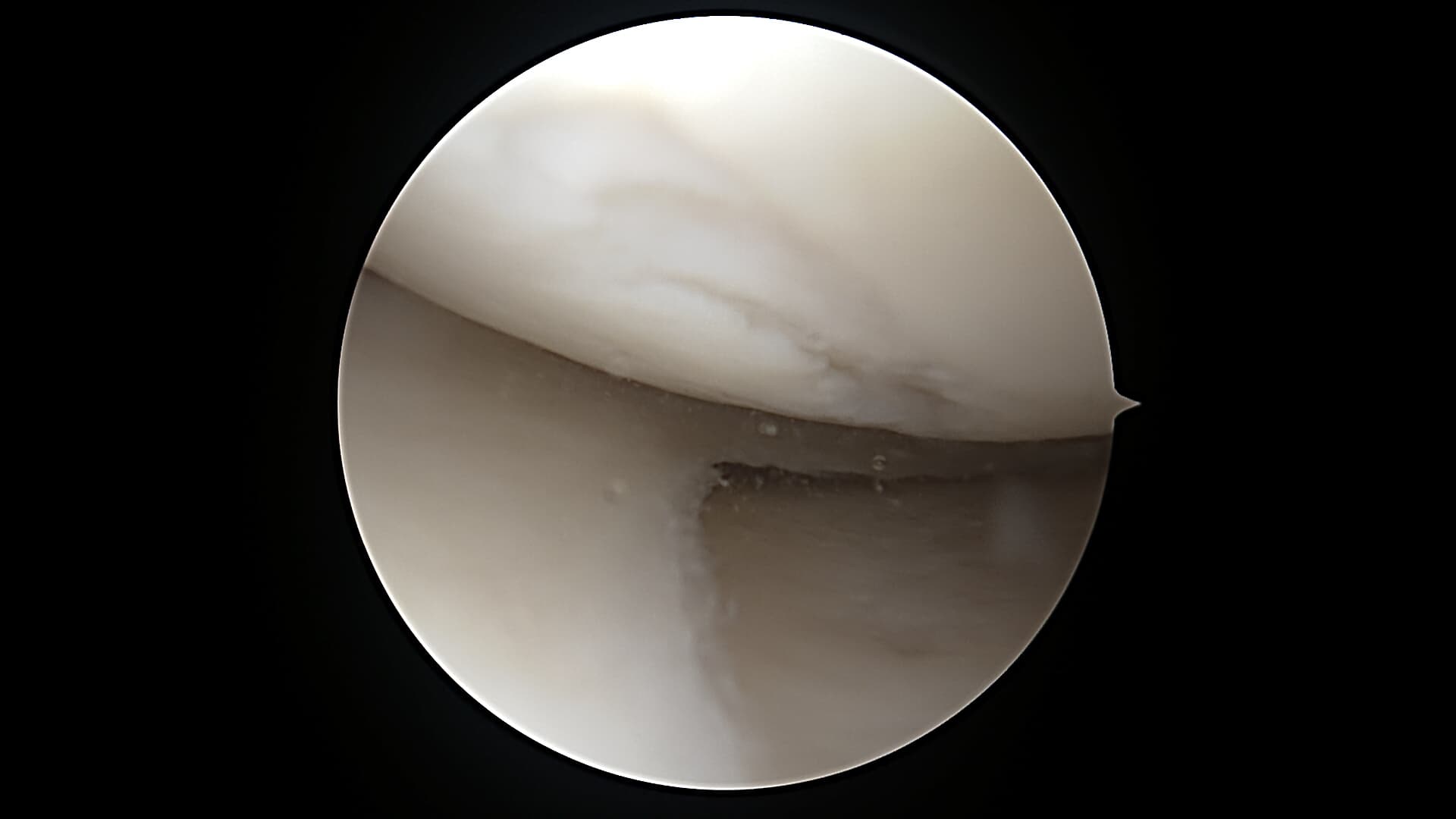
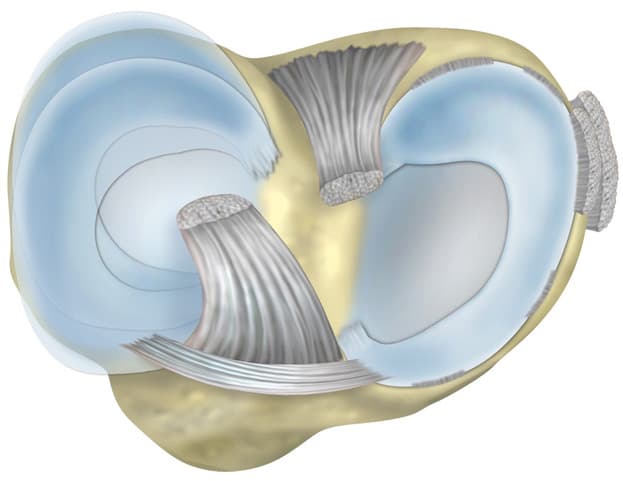
The idea that cartilage cannot heal comes from its unique biology. Unlike many other tissues in the body, cartilage has little to no direct blood supply. Instead, it relies on the synovial fluid — the natural lubricant inside joints — for nourishment. This limited blood flow means cartilage receives fewer cells and healing factors compared to other tissues, which makes natural repair difficult.

Because of these limitations, clinicians and patients were long taught that damage to cartilage was permanent. Thus, the traditional idea that “cartilage hardly heals” became widely accepted, cementing a somewhat pessimistic outlook towards cartilage injuries and degenerative joint disease.

Unravelling the Science: What Makes Regeneration Possible Today?

Recent scientific research, however, has started to paint a more hopeful picture. Although spontaneous repair of cartilage remains limited, there is undeniable potential for regeneration when the right conditions are met. One of the key players is the joint’s micro-environment—essentially, the surrounding biological landscape where cartilage lives. Here, synovial nutrition plays a vital role, nourishing cartilage and supporting the renewal processes.

Advances in understanding how biological signals and mechanical forces interact with cartilage cells have proved crucial. This delicate balance can encourage progenitor cells — the body’s natural repair agents — to spring into action and help repair damaged cartilage. As a recent study highlights, “the mechanical behaviour of cartilage tissue plays a crucial role in physiological mechanotransduction processes,” emphasising how physical forces influence cell activities. This shows that while spontaneous repair is poor, the regeneration potential still exists—especially when the joint’s environment and synovial nutrition are optimised.

Beyond Repair — Innovations That Drive Cartilage Regeneration

Modern orthopaedics is moving away from simply trying to patch up damaged cartilage towards actively promoting new tissue growth by design. This shift, from a “repair mindset” to “regeneration by design”, draws on a combination of engineered scaffolds, biological agents, and carefully controlled mechanical loading.

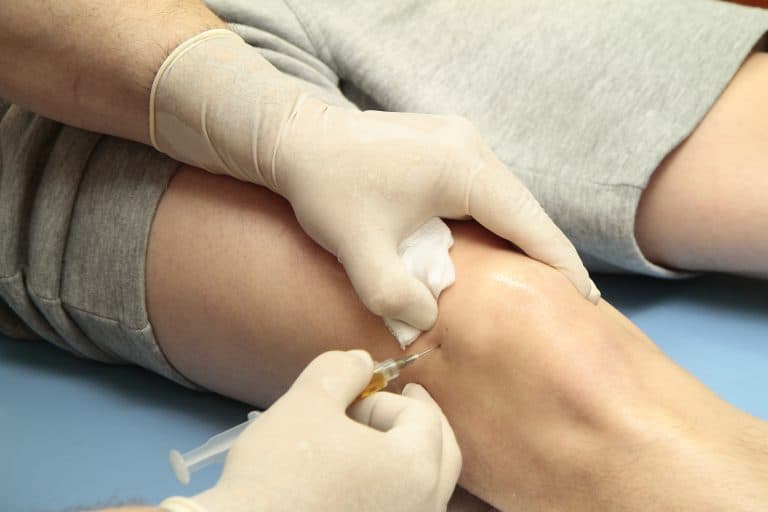
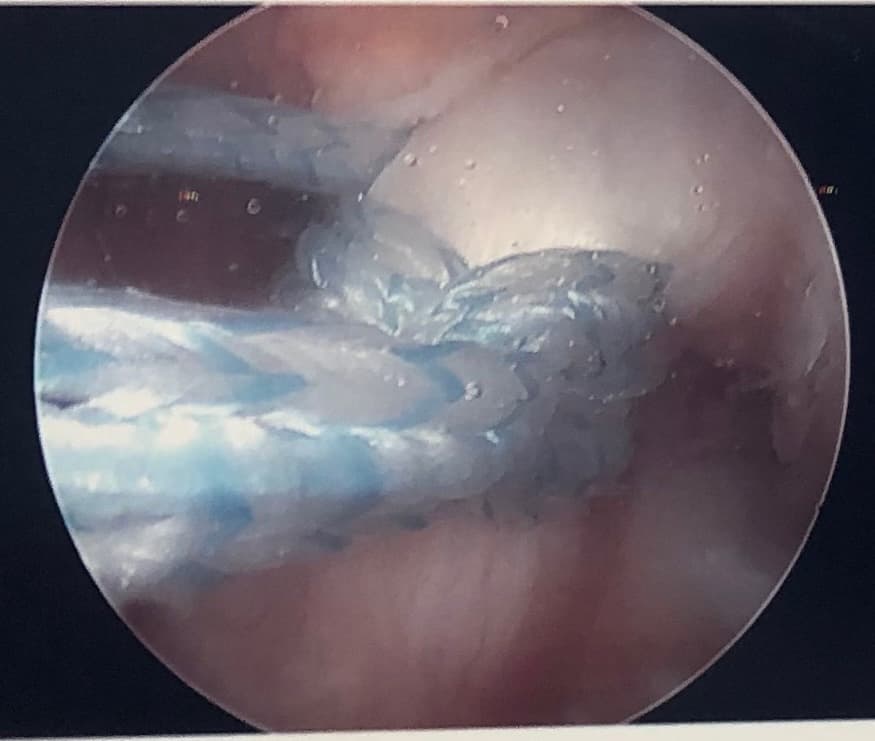
Engineered scaffolds — often made from collagen — act like a temporary framework inside the joint, providing the perfect surface for the body’s own cells to attach, multiply, and create new cartilage. Biological factors such as platelet-rich plasma (PRP) and medicinal signalling cells (MSCs), which are harvested from bone marrow or fat tissue, help by reducing inflammation and enhancing healing. Meanwhile, physical therapies apply the right amount of mechanical stimulation to encourage healthy cartilage formation.

Researchers have pointed out that “the present study provides important insights into the microstructure-property relationship of cartilage substitute materials, with vital implications for mechanically-driven material design in cartilage engineering.” Clinical work also supports these innovations: “The liquid AMIC is a safe technique that shows good clinical and radiological outcomes in a 2-year follow-up,” highlighting the promising results of using acellular matrix approaches.

Furthermore, longer-term follow-ups reveal encouraging patient feedback — “about 80% of the patients indicated good or very good results and would have the operation done again” following treatment with cell-free liquid collagen scaffolds. At the London Cartilage Clinic, Professor Paul Lee combines these state-of-the-art techniques in his Lee Liquid Cartilage™ Procedure, offering patients a carefully balanced treatment that integrates scaffold technology, biologics, and rehabilitation to maximise the chance of true cartilage regeneration.

Setting Expectations — What Does the Future Hold?

While these scientific and clinical advances are very promising, it is important for patients to have realistic expectations. Cartilage repair is a complex and multi-faceted challenge. The success of any treatment depends on many factors, including the size and location of the cartilage defect, the overall health of the joint, the patient’s biology, and commitment to rehabilitation programmes.

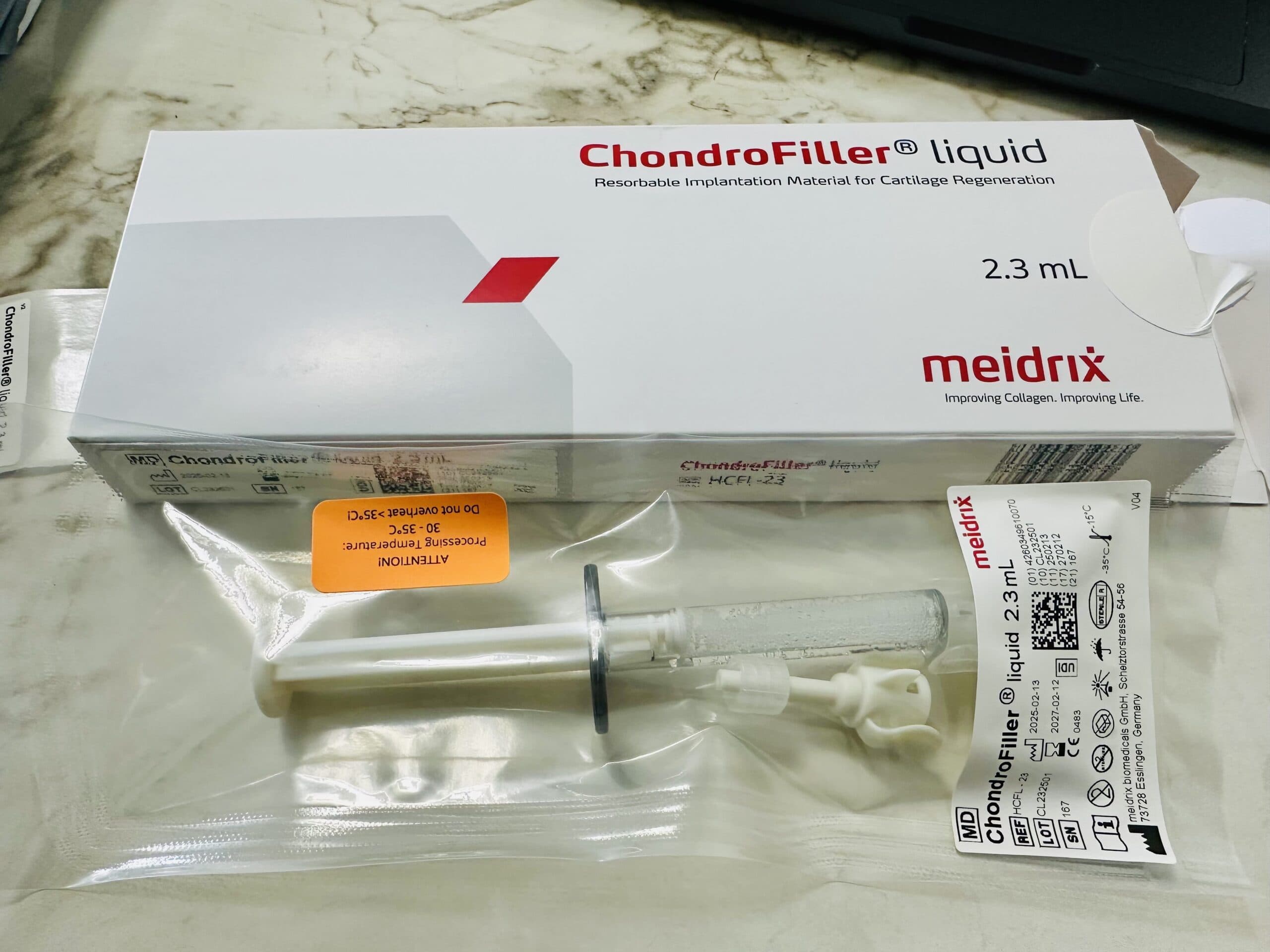
Products like ChondroFiller® are key tools in the evolving armoury for cartilage healing, but they are not miracle cures. For example, studies note that “ChondroFillerliquid shows the most pronounced viscous effects” — meaning the material behaves with specific flow and stretch properties that influence how it performs in the joint. Encouragingly, research demonstrates that liquid acellular matrix-induced chondrogenesis can bring about “significant improvement…in all parameters assessed, focusing on the characteristics of the generated tissue in the MRI (MOCART scores).” Meanwhile, broader clinical data prove that “Chondrofiller Liquid is shown to be a safe procedure which was able to provide satisfactory results” in early patient groups.

Patients are advised to view these treatments as part of a personalised, carefully managed plan. Always consult responsible specialists like Professor Paul Lee and the team at London Cartilage Clinic who provide honest, evidence-based guidance, helping patients make well-informed decisions.

Conclusion
The long-held belief that cartilage “cannot regrow” is being rewritten thanks to exciting advances in orthopaedics, tissue engineering, and rehabilitation science. Understanding that cartilage has limited spontaneous repair yet remarkable regeneration potential opens new doors for treatment. If you are considering options for cartilage damage, it is vital to seek advice from experienced professionals such as Professor Paul Lee and trusted centres like the London Cartilage Clinic — where the future of cartilage care is unfolding today.

For individual medical advice, please consult a qualified healthcare professional.

References

Weizel, A., Distler, T., Schneidereit, D., & Friedrich, O. (2020). Complex mechanical behavior of human articular cartilage and hydrogels for cartilage repair. Acta Biomaterialia. https://doi.org/10.1016/j.actbio.2020.10.025

De Lucas Villarrubi, J. C., Méndez Alonso, M. Á., Sanz Pérez, M. I., Trell Lesmes, F., & Panadero Tapia, A. (2021). Acellular Matrix-Induced Chondrogenesis Technique Improves the Results of Chondral Lesions Associated With Femoroacetabular Impingement. Arthroscopy: The Journal of Arthroscopic & Related Surgery. https://doi.org/10.1016/j.arthro.2021.08.022

Breil-Wirth, A., von Engelhardt, L., Lobner, S., & Jerosch, J. (2016). Retrospective study of cell-free collagen matrix for cartilage repair. Orthopädische und Unfallchirurgische Praxis, , 0515-0520. https://doi.org/10.3238/oup.2016.0515-0520

Frequently Asked Questions

Recent scientific advances show cartilage is capable of regeneration with modern treatments, especially when led by experts like Professor Paul Lee at London Cartilage Clinic, challenging the old notion that cartilage damage is always permanent.

Professor Paul Lee, an internationally recognised cartilage expert and surgical ambassador, leads the London Cartilage Clinic. He and his team combine professional skill with advanced regenerative treatments, offering patients cutting-edge care supported by extensive clinical experience and scientific knowledge.

At London Cartilage Clinic, Professor Lee utilises innovative techniques such as engineered scaffolds, biological agents, and targeted rehabilitation. His Lee Liquid Cartilage™ Procedure carefully blends these advances to optimise the body’s own healing processes for better outcomes.

While treatment outcomes are very promising, success cannot be guaranteed. Many factors influence healing, including the individual’s biology and rehabilitation commitment. The clinic offers realistic, evidence-based advice to help each patient understand the possibilities specific to their situation.

Professor Lee’s qualifications as a Cartilage Expert and Royal College of Surgeons Ambassador ensure the highest standard of care. His leadership at London Cartilage Clinic provides patients with access to proven, innovative techniques and personalised, honest guidance on the latest treatment options.


All our treatments are selected to help patients achieve the best possible outcomes and return to the quality of life they deserve. Get in touch if you have any questions.

Modern Treatments with Long Lasting Results

At London Cartilage Clinic, we are constantly staying up-to-date on the latest treatment options for knee injuries and ongoing knee health issues. As a result, our patients have access to the best equipment, techniques, and expertise in the field, whether it’s for cartilage repair, regeneration, or replacement.

For the best in patient care and cartilage knowledge, contact London Cartilage Clinic today.

Cartilage Experts

At London Cartilage Clinic, our team has spent years gaining an in-depth understanding of human biology and the skills necessary to provide a wide range of cartilage treatments. It’s our mission to administer comprehensive care through innovative solutions targeted at key areas, including cartilage injuries. During an initial consultation, one of our medical professionals will establish which path forward is best for you.

Contact us if you have any questions about the various treatment methods on offer.

Book a free chat

We can help!

If you’re looking for support with effective cartilage treatment, our specialists non medical associate can help. Fill in your details below and a member of our team will get in touch with you as soon as possible.

team