 Cartilage
 Knees
Knees Hip
Hip Shoulder
Tailoring Surgical Repair for Hip Labrum Tears by Age and Tear Severity
30/01/26
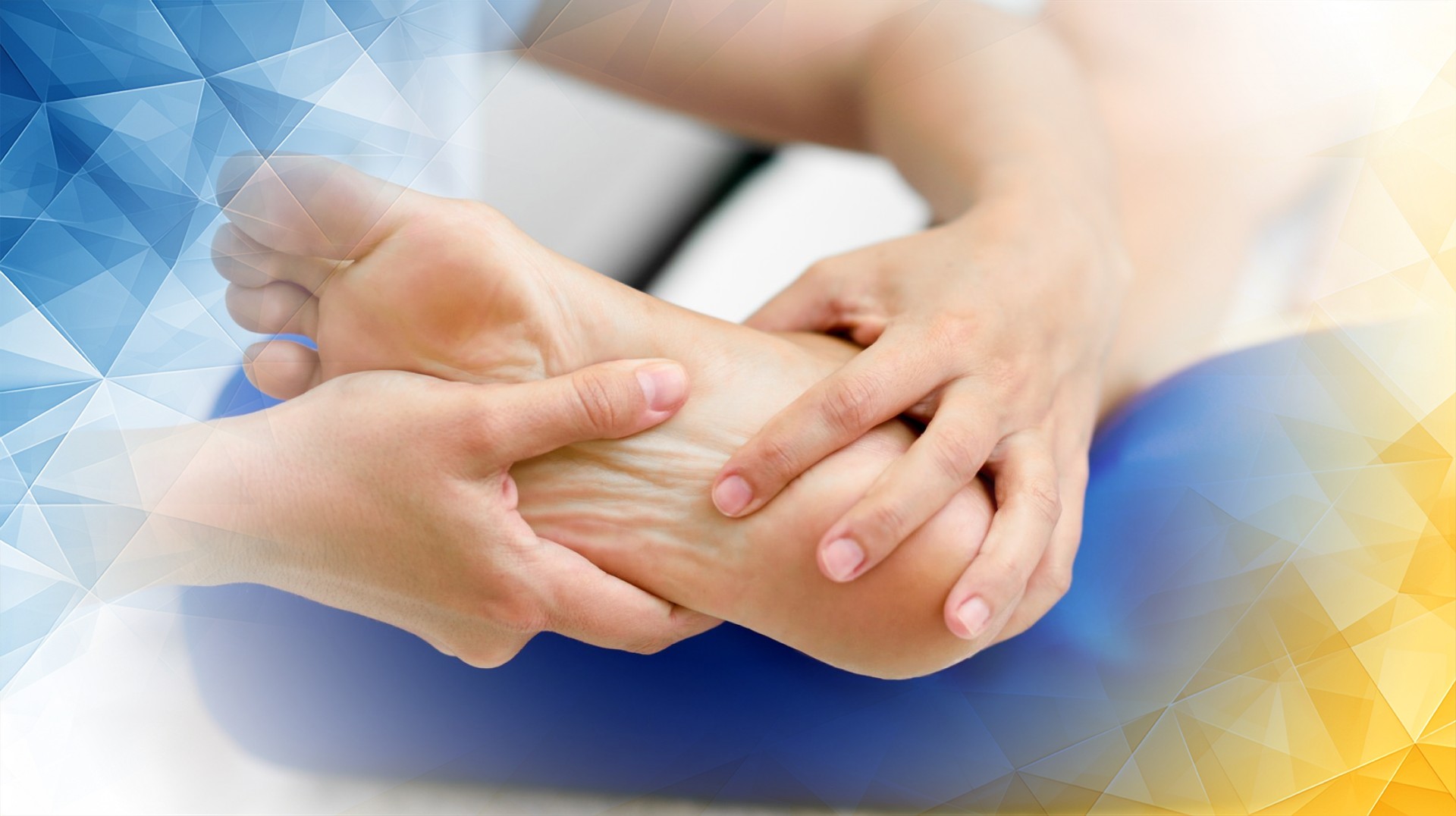

Many people think of the ankle as simply the prominent bone at the side of the foot, but in reality, it is a remarkable and complex part of the body. The “ankle bone” actually refers to several bones, joints, ligaments, tendons, and muscles that work together to support our every step. This article takes a closer look at key components, such as the talus bone and the medial and lateral malleoli (the bony prominences on either side of the ankle), as well as the soft tissues that stabilise and move the joint. We will also touch on why understanding this anatomy matters, especially when dealing with injuries or conditions affecting the ankle.
At the heart of the ankle are four main bones: the talus, medial malleolus, lateral malleolus, and calcaneus. The talus acts as a central link between the foot and the shin bones, sitting right above the heel bone—known as the calcaneus. The medial malleolus is the inner ankle bump formed by the tibia (shinbone), while the lateral malleolus is the outer bump, part of the fibula (the smaller bone of the lower leg). Together, these bones create two important joints: the talocrural joint, which allows the foot to move up and down (like pressing a gas pedal or pulling it back), and the subtalar joint, enabling side-to-side foot movements. This remarkable combination provides both strength and flexibility, helping us stand, walk, run, and adapt to all kinds of surfaces.
While the bones form the basic structure, it’s the surrounding ligaments, tendons, and muscles that keep the ankle stable and control its movement. Ligaments are strong bands of tissue connecting bones—they prevent excessive or harmful movements. For example, the deltoid ligament on the inside of the ankle stops the foot from rolling inwards too far, while on the outside, ligaments like the anterior talofibular and calcaneofibular ligaments protect against rolling outwards. Tendons connect muscles to bones and help move the ankle; key tendons include the Achilles tendon at the back of the heel and those from muscles like the tibialis anterior in the front. These tissues work together to absorb shocks, maintain balance, and protect the ankle from common injuries like sprains.
The ankle’s role in supporting body weight and enabling walking and running also makes it prone to injuries. Sprains, fractures, cartilage damage, and loss of bone tissue can all occur due to accidents, twists, or overuse. In fact, ankle sprains are among the most common musculoskeletal injuries worldwide, yet their true severity is sometimes underestimated. Research shows “ankle sprains are one of the most common musculoskeletal injuries. However, they may be more serious than commonly believed” (Koiwai et al., 2020). Sometimes bruising of the bone beneath the cartilage—called a bone bruise—can happen, particularly affecting the talus, which was involved in 60% of cases in one study (Koiwai et al., 2020).
For patients suffering significant bone loss, especially of the talus, advances in surgery now offer new hope. As Mark Reiley (2009) explains, “an alternative total ankle arthroplasty procedure has been developed that capitalises on the strength of local bone when posterior bone stock of the talus is insufficient.” This means replacement ankle surgery can be adapted to accommodate damaged bone and restore function where previously options were limited. Expert centres like the London Cartilage Clinic are at the forefront of this specialised care, with professionals such as Professor Paul Lee supporting patients through tailored rehabilitation and treatment plans.
Thanks to ongoing improvements in medical imaging—like MRI scans that reveal subtle bone and soft tissue injuries—and refined surgical techniques, care for ankle problems has never been better. Studies have found the incidence of bone bruises in ankle sprains to be high, with “the incidence of bone bruises detected by magnetic resonance imaging in the ankle and midfoot associated with ankle sprain [being] 81.4%” (Koiwai et al., 2020). These insights help clinicians decide the best course of treatment, whether conservative methods such as immobilisation and physiotherapy or surgical intervention.
At the London Cartilage Clinic, expert teams combine these advances with a patient-focused approach, aiming for effective recovery and long-term joint health. Led by experts like Professor Paul Lee, a cartilage specialist and regional surgical ambassador, patients receive comprehensive care tailored to their individual needs. As always, professional consultation is essential to ensure the best outcomes.
The ankle is far more than just a simple joint—its complex network of bones, ligaments, tendons, and muscles work together to provide stability, mobility, and resilience. Understanding this complexity helps highlight the importance of specialised care, especially when injuries occur. Whether dealing with a sprain, fracture, or more advanced conditions requiring surgery, seeking help from experienced professionals and dedicated clinics like the London Cartilage Clinic can make all the difference. If you have any ankle concerns, don’t hesitate to consult a trusted healthcare provider to protect your mobility and quality of life.
Koiwai, H., Kamimura, M., Taguchi, A., Tensho, K., Nakamura, Y., & Takahashi, J. (2020). Bone bruises of the ankle and mid-foot often associate with ankle sprain. https://doi.org/10.21203/rs.3.rs-68756/v1
Reiley, M. A. (2009). Total ankle arthroplasty with bone defects. Foot & Ankle Specialist, 2(1), 32–34. https://doi.org/10.1177/1938640008330572
Coello García, B. E., Cabrera Castillo, B. X., Benalcázar Chiluisa, F. V., Fajardo Zhao, A. P., Moreira Moreira, L. A., de la Fuente Bombino, E., & Sanmartín Riera, C. R. (2023). Fractures of the bones in the ankle joint. Epra International Journal of Multidisciplinary Research (Ijmr), 202-210. https://doi.org/10.36713/epra12706
The ankle joint consists of several bones, ligaments, tendons, and muscles. This complex structure supports body weight, enables flexible movement, and provides stability. Understanding this complexity is essential for effective diagnosis and treatment of ankle-related injuries and conditions.
The London Cartilage Clinic offers leading expertise in managing complex cartilage and bone conditions. Under Professor Paul Lee, a renowned cartilage expert and Royal College of Surgeons Ambassador, patients benefit from advanced techniques, tailored care, and a patient-focused approach for optimal outcomes.
Professor Paul Lee is a leading cartilage specialist and Regional Surgical Ambassador, with advisory roles at the Royal College of Surgeons of Edinburgh. He is recognised for his innovation in cartilage care and supported by extensive clinical experience in the field of ankle surgery.
Medical imaging advancements, such as MRI, allow clinicians to detect subtle bone and soft tissue injuries, including bone bruises. Modern surgical techniques and tailored rehabilitation at specialist centres ensure patients receive the most effective, science-driven care for ankle injuries and related conditions.
Ankle injuries can be more serious than they appear and might involve complex damage. Specialist consultation at expert centres, such as the London Cartilage Clinic, ensures thorough assessment by experienced professionals who tailor treatment for the best possible recovery and long-term joint health.
All our treatments are selected to help patients achieve the best possible outcomes and return to the quality of life they deserve. Get in touch if you have any questions.
At London Cartilage Clinic, we are constantly staying up-to-date on the latest treatment options for knee injuries and ongoing knee health issues. As a result, our patients have access to the best equipment, techniques, and expertise in the field, whether it’s for cartilage repair, regeneration, or replacement.
For the best in patient care and cartilage knowledge, contact London Cartilage Clinic today.
At London Cartilage Clinic, our team has spent years gaining an in-depth understanding of human biology and the skills necessary to provide a wide range of cartilage treatments. It’s our mission to administer comprehensive care through innovative solutions targeted at key areas, including cartilage injuries. During an initial consultation, one of our medical professionals will establish which path forward is best for you.
Contact us if you have any questions about the various treatment methods on offer.
Legal & Medical Disclaimer
This article is written by an independent contributor and reflects their own views and experience, not necessarily those of londoncartilage.com. It is provided for general information and education only and does not constitute medical advice, diagnosis, or treatment.
Always seek personalised advice from a qualified healthcare professional before making decisions about your health. londoncartilage.com accepts no responsibility for errors, omissions, third-party content, or any loss, damage, or injury arising from reliance on this material. If you believe this article contains inaccurate or infringing content, please contact us at [email protected].