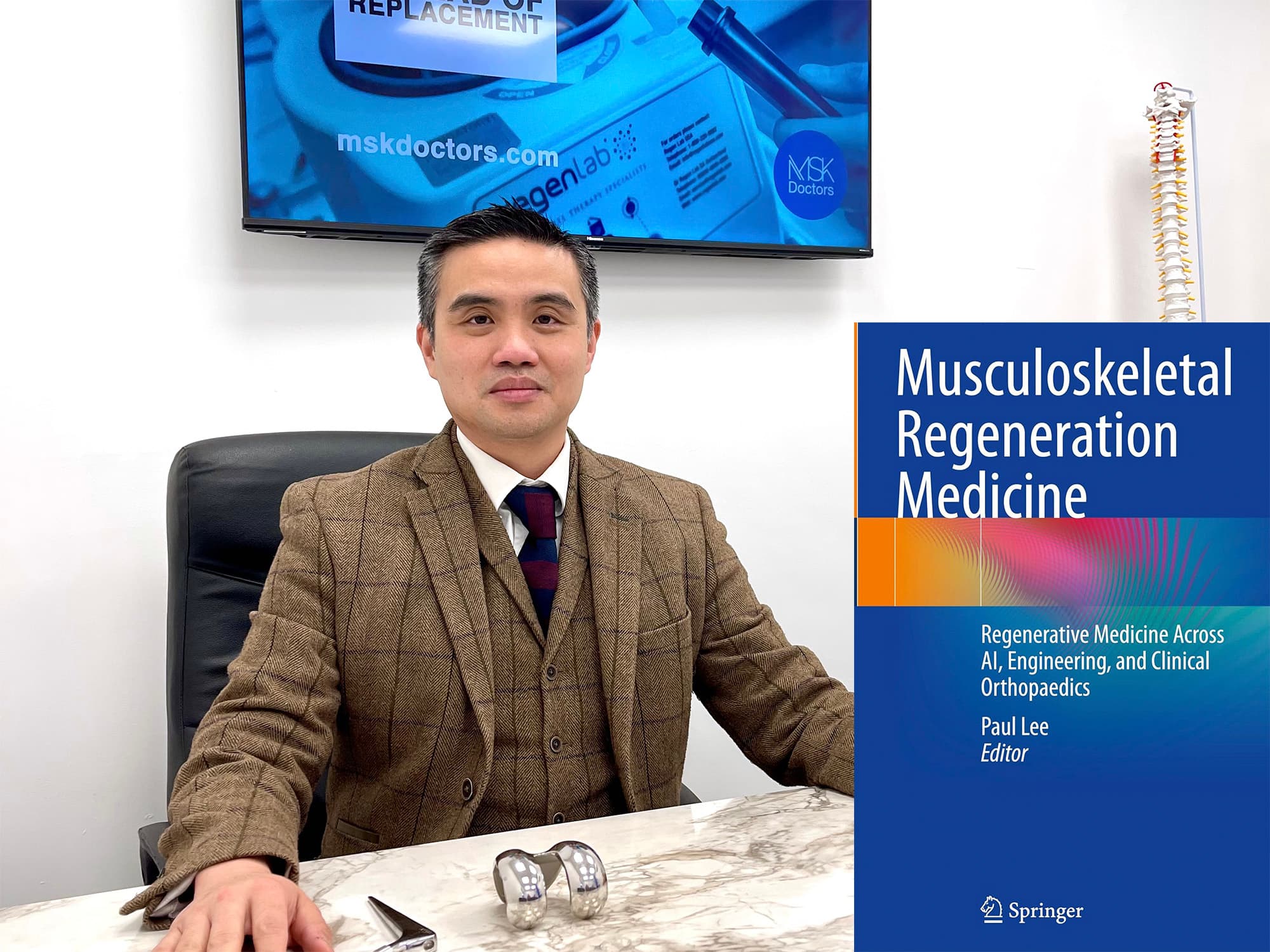
In recent years, there has been a growing interest in non-surgical treatments for knee cartilage damage, as more patients seek to avoid the risks and recovery time associated with surgery. This article explores some of the most common non-surgical options, focusing on medical injections such as Platelet-Rich Plasma (PRP) therapy, hyaluronic acid, and cortisone, alongside popular oral supplements like glucosamine, chondroitin , and omega-3 fatty acids. If you are looking to manage knee problems effectively without going under the knife, it’s important to understand the benefits and limitations of these approaches. Professor Paul Lee, a specialist in orthopaedics and rehabilitation, offers extensive expertise at the London Cartilage Clinic, a professional setting dedicated to supportive patient care and recovery. Here, we provide a clear, balanced guide to these treatments for those considering their options beyond basic therapy, with realistic expectations in mind.
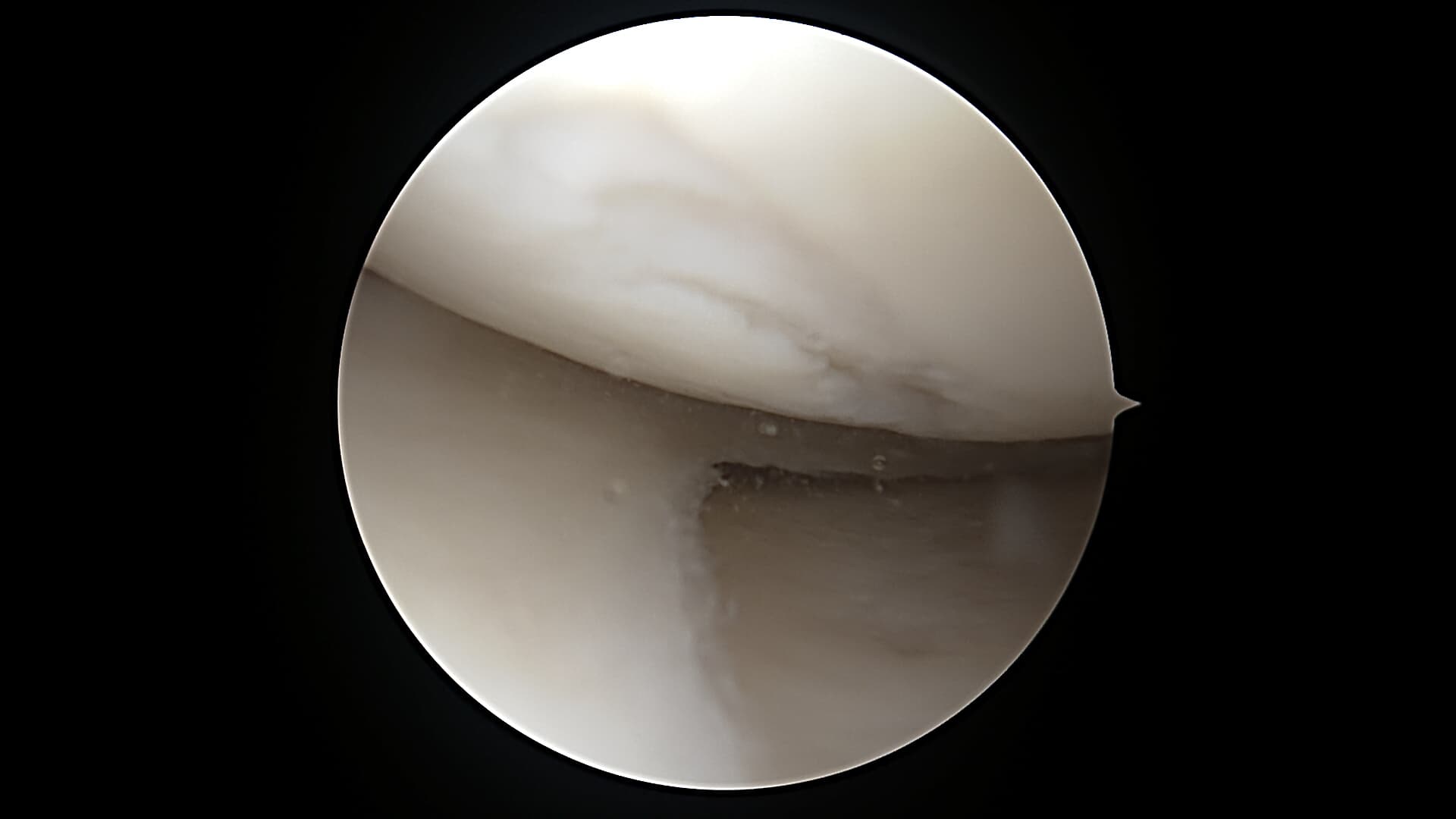
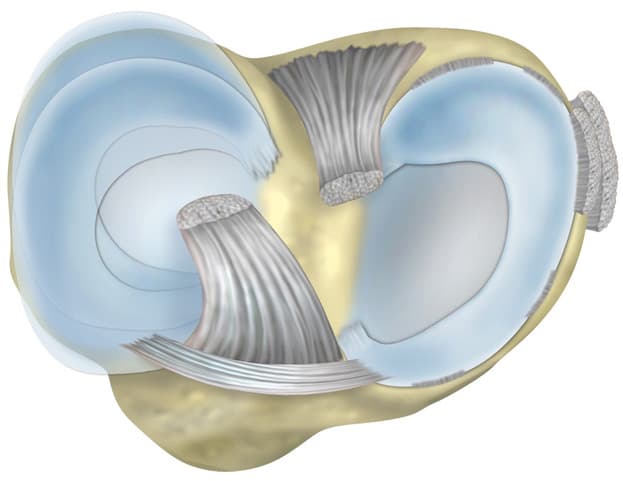
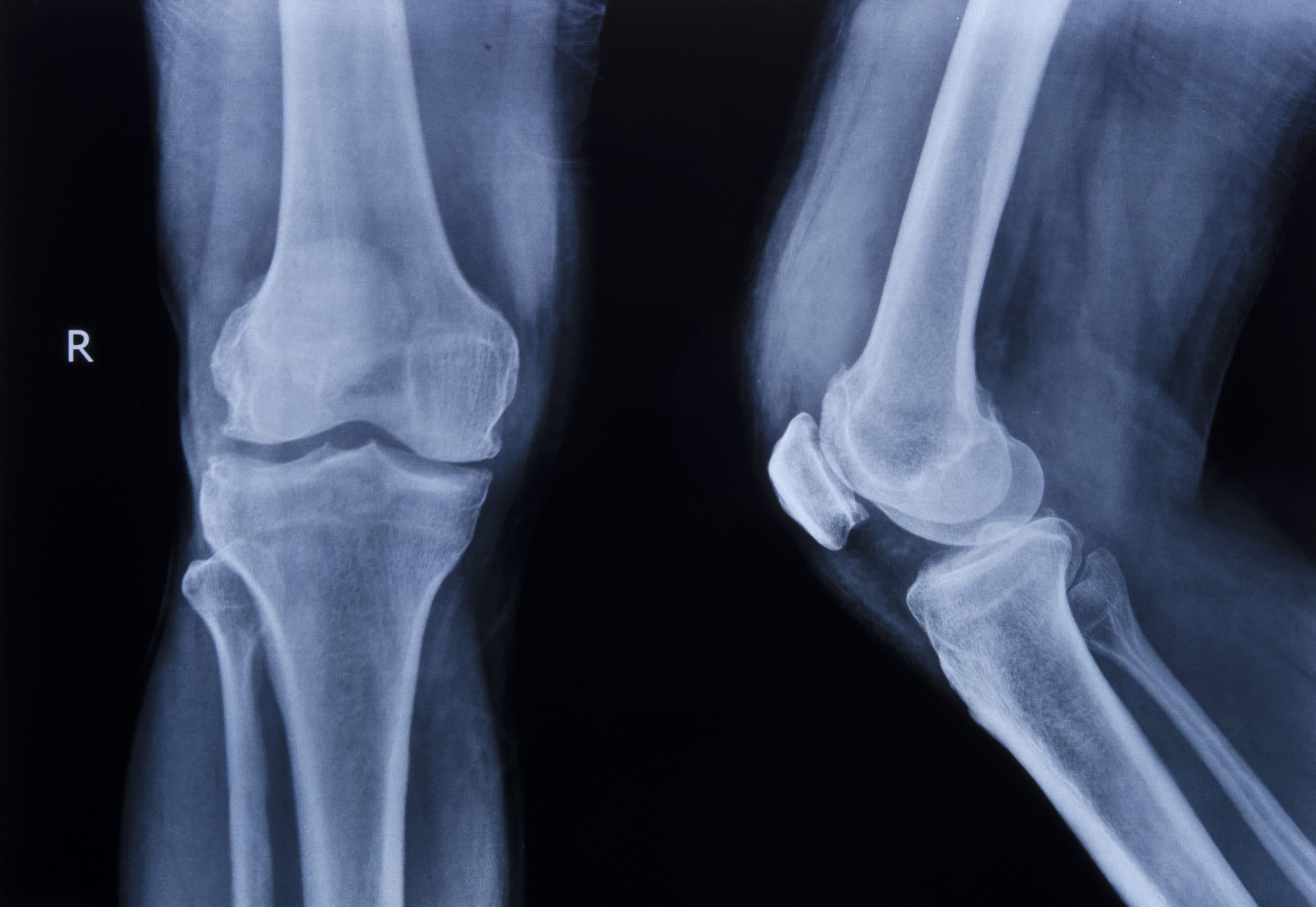
Knee cartilage is the smooth, rubbery tissue covering the ends of the bones where they meet to form a joint. It allows your knee to move smoothly and acts as a cushion by absorbing shock. When cartilage becomes damaged—whether from an injury, everyday wear and tear, or conditions like arthritis—it can cause pain, stiffness and restrict how well you can move your knee.
Non-surgical treatments, including injections and supplements, are popular because they often help reduce pain, improve joint function and potentially slow further cartilage deterioration. Many people choose these options in an effort to delay or avoid surgery. Throughout this article, you will see terms like knee cartilage injections and non surgical knee treatments used to describe these approaches.
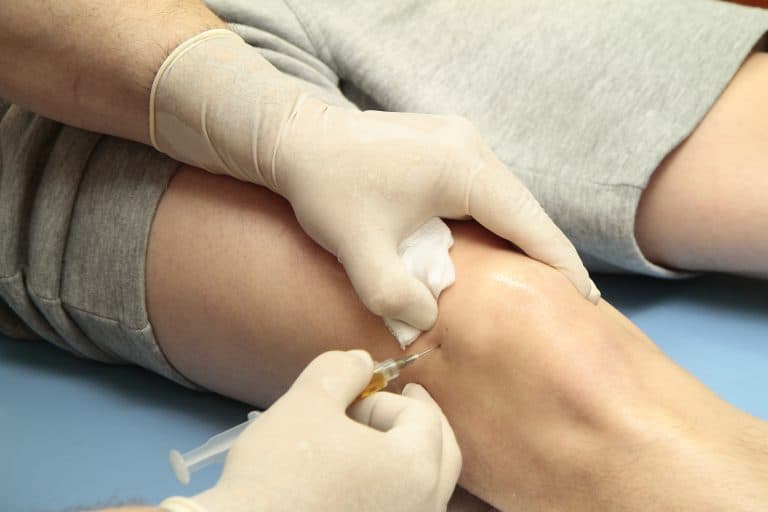
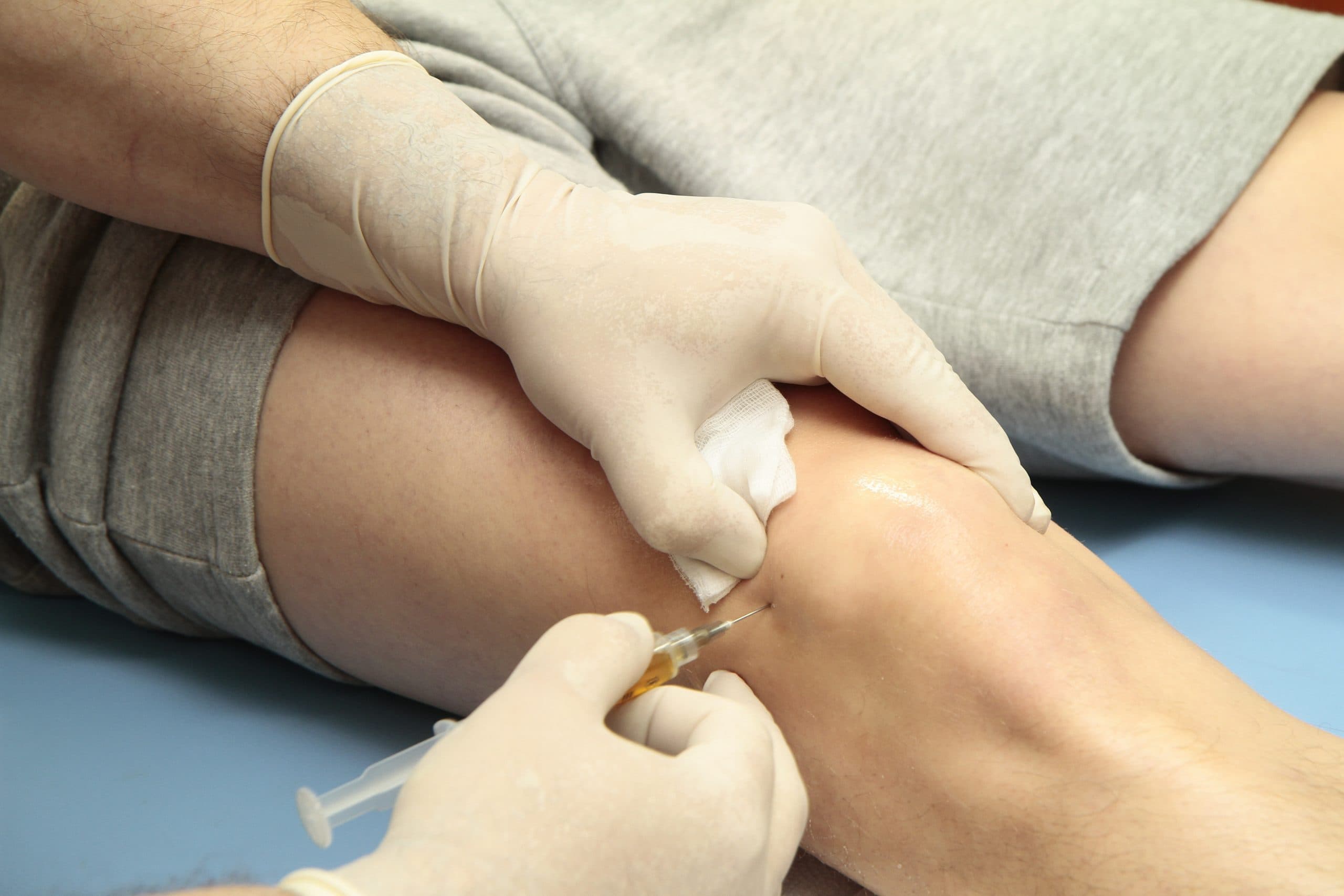
One of the main non-surgical options involves injections into the knee joint, each with different functions and effects.
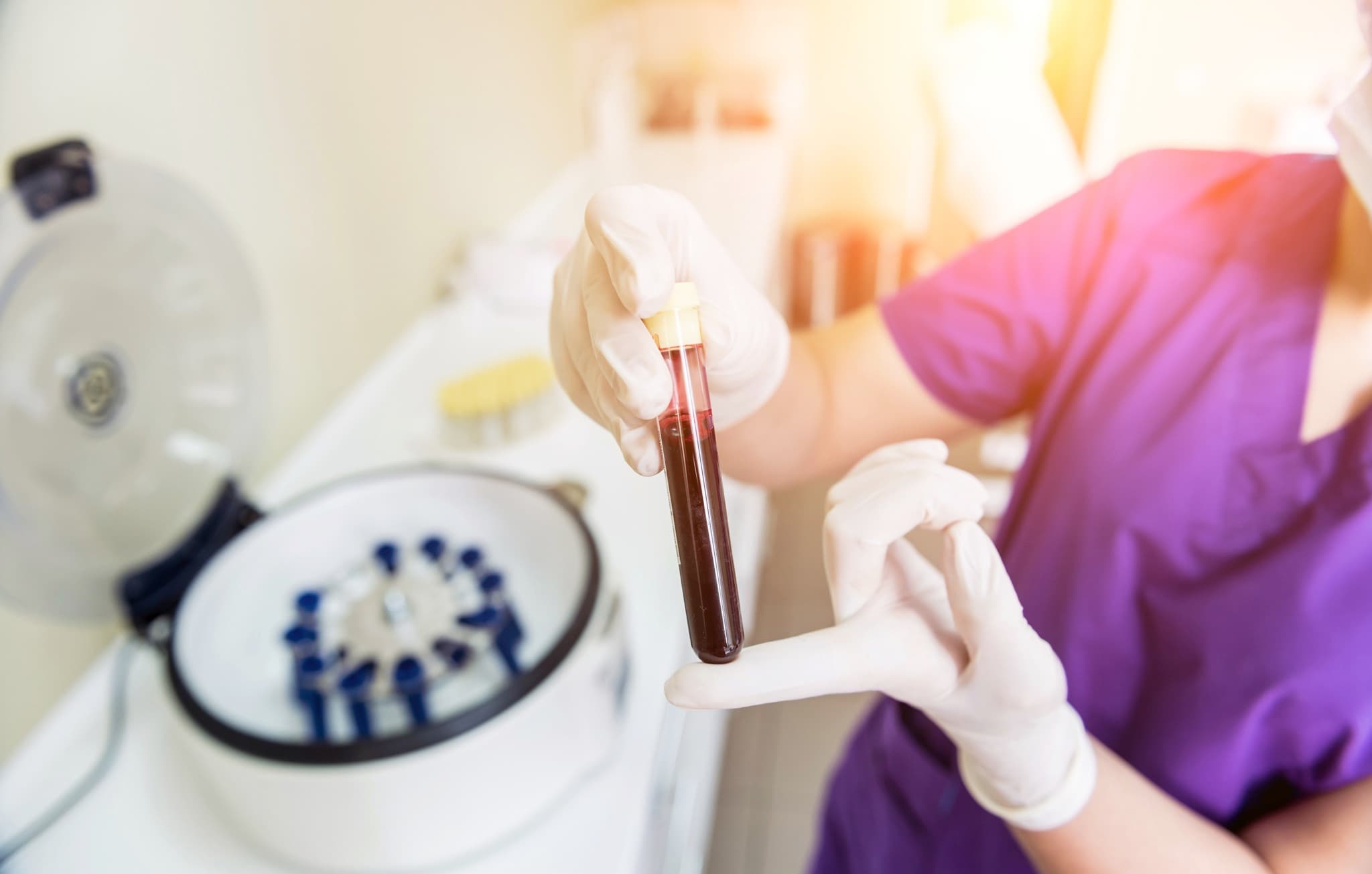
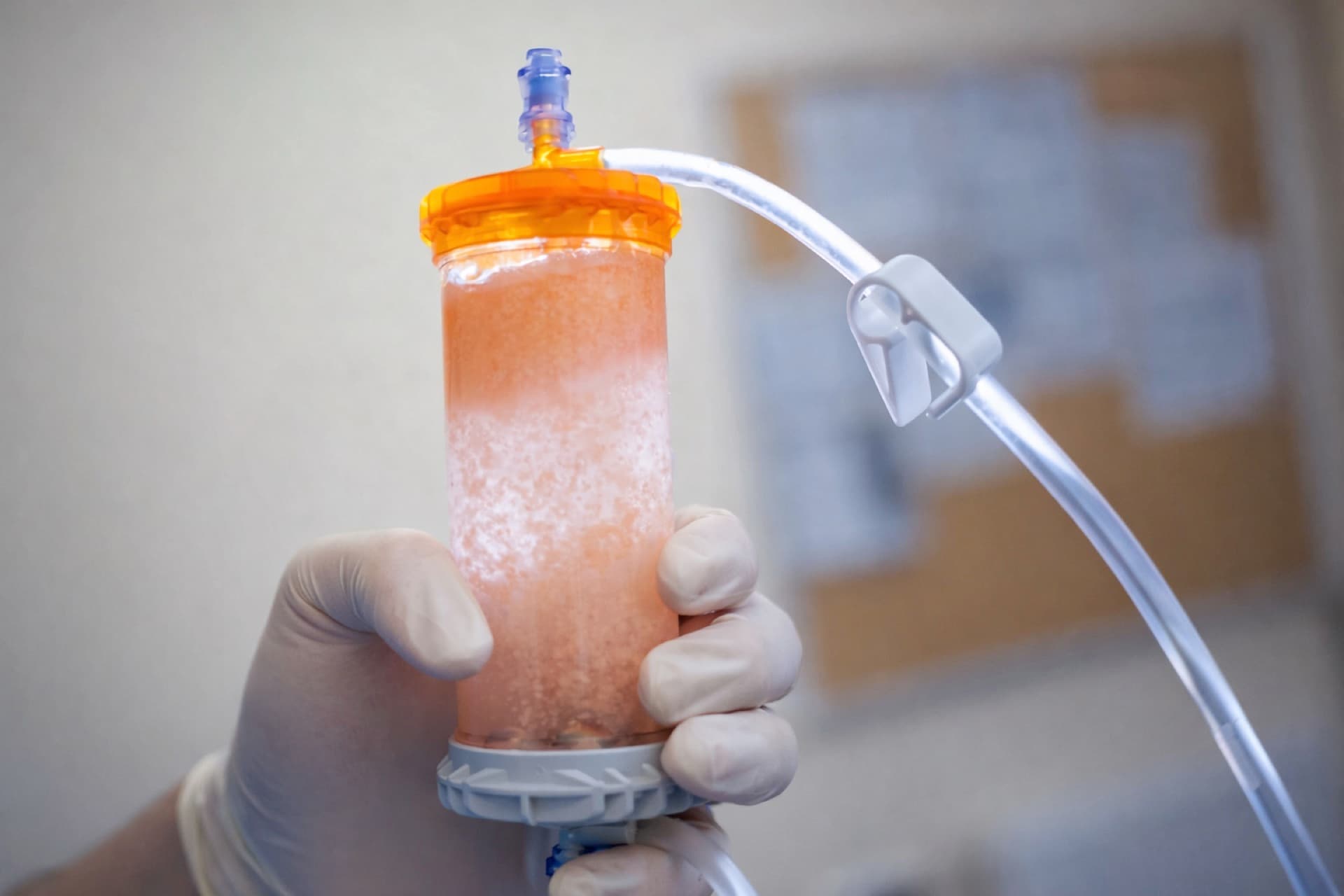
Platelet-Rich Plasma (PRP) therapy takes a small sample of your own blood and processes it to concentrate platelets—cells that help tissue healing . This concentrate is then injected into the knee with the aim of encouraging natural repair. While some studies show PRP can reduce pain and help tissue heal, results vary between individuals, and more long-term research is needed.
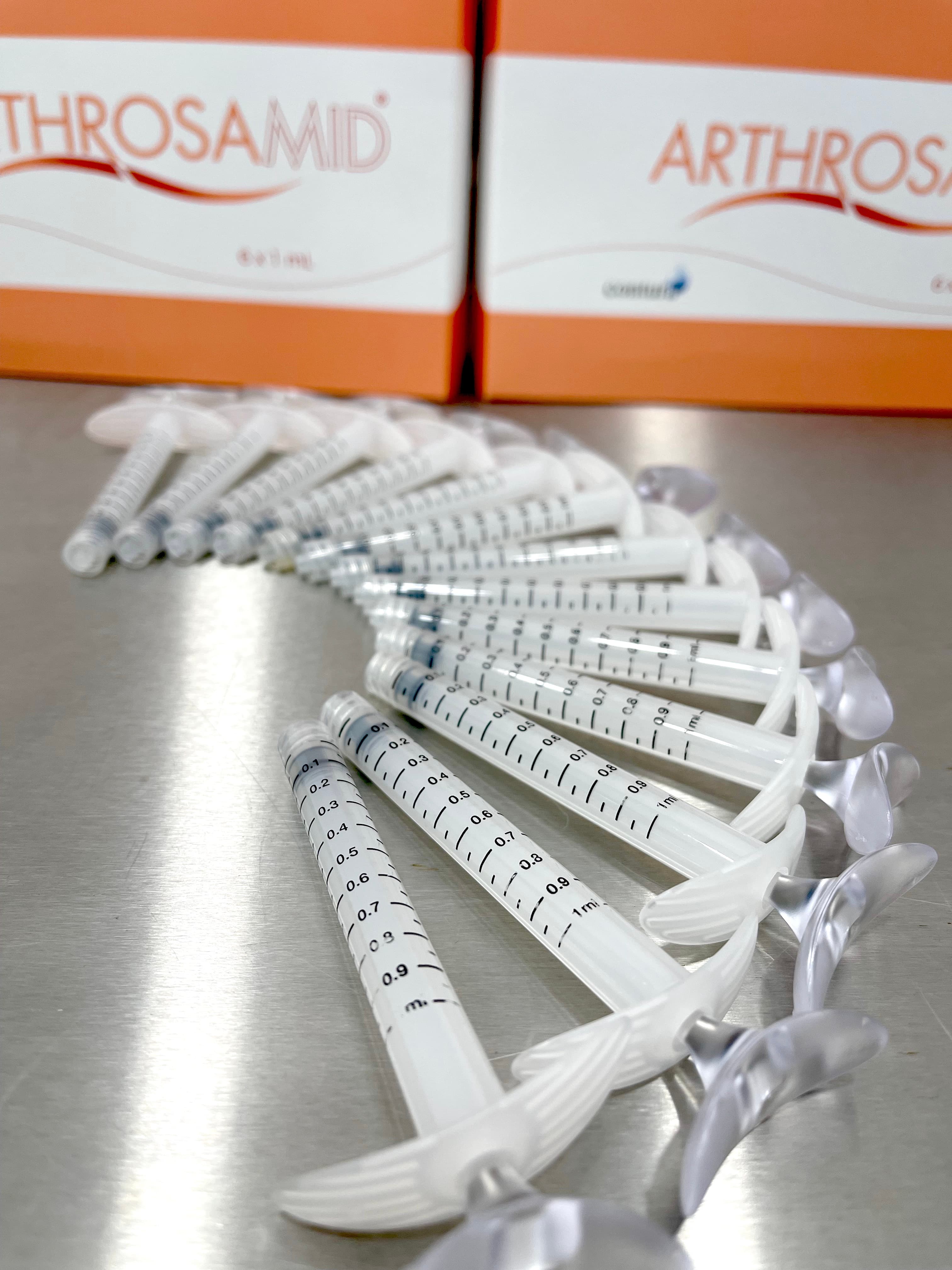
Hyaluronic acid injections , sometimes called ‘liquid cartilage,’ work by supplementing the natural fluid inside your knee joint. This extra lubrication helps ease movement and can reduce discomfort, but it does not actually repair damaged cartilage.
Cortisone injections are often used to reduce inflammation and provide quick pain relief. However, they should be used cautiously as repeated use might lead to side effects, including thinning of cartilage.
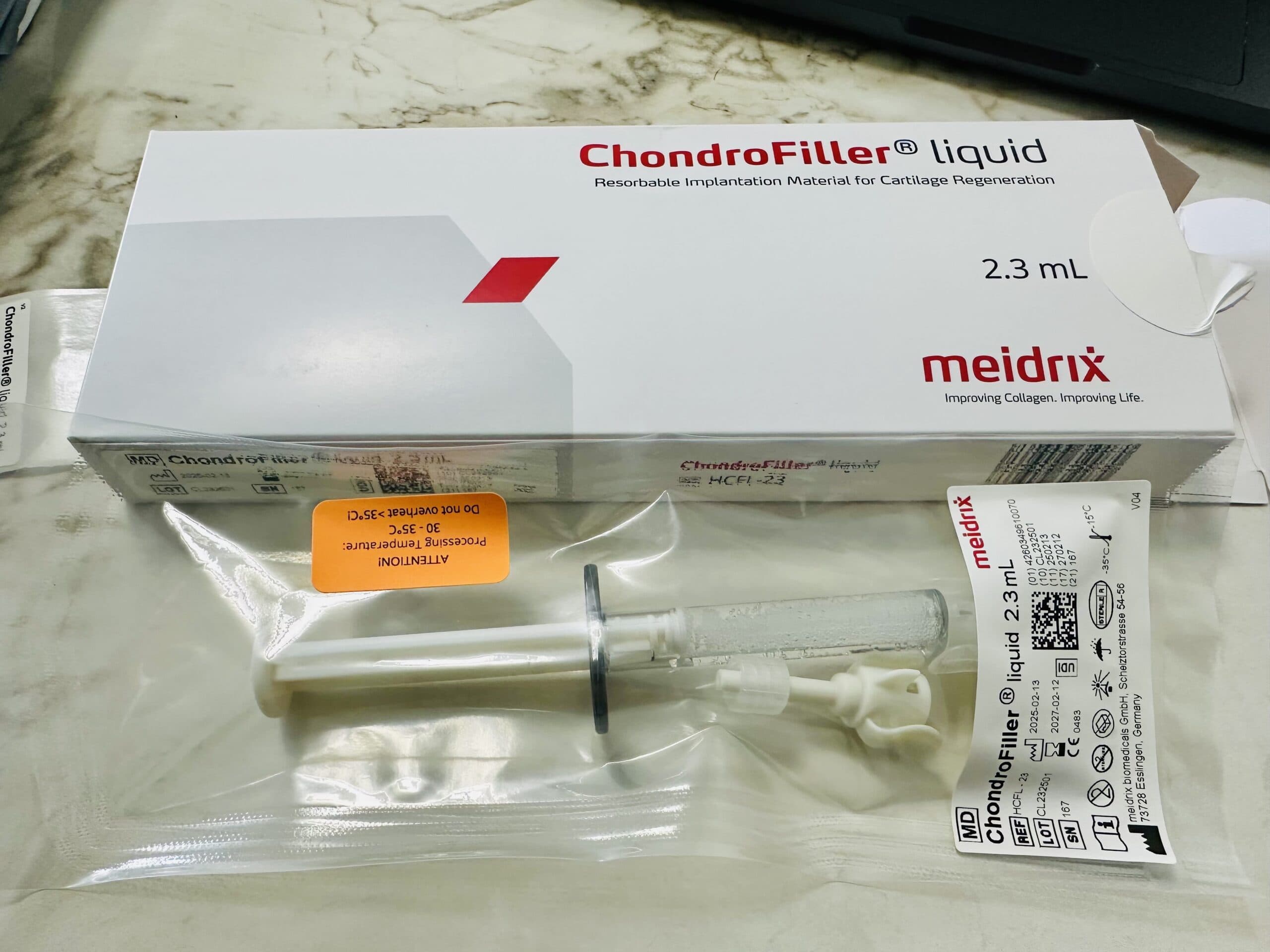
Recently, interest has grown around innovative treatments such as ChondroFiller Liquid, a cell-free collagen gel designed to support cartilage repair. Research involving hip and hand joints has shown encouraging results. For instance, one study described ChondroFiller Liquid as “a resorbable filler used to form a protective layer around the cartilage defect while stimulating the growth of chondrocytes and the consequent induction of cartilage regeneration” (Corain et al., 2023). Another study highlighted a “simple, inexpensive, and reproducible technique” to deliver these materials effectively during arthroscopy (Perez-Carro et al., 2021). Although mostly studied outside the knee, these developments represent a promising step forward in treating cartilage damage.
When considering injections, it’s important to discuss with your healthcare provider what’s best suited to your individual condition. The terms knee cartilage injections, PRP therapy knees, and hyaluronic acid knee might come up during such discussions.
Many people also turn to oral supplements, which are easy to access and can support joint health. Glucosamine and chondroitin are two popular supplements thought to help maintain cartilage and reduce inflammation. Omega-3 fatty acids, found in fish oils, are known for their anti-inflammatory properties and may provide some relief as well.
However, the scientific evidence for these supplements is mixed. Some individuals report less pain and improved mobility, but large studies often show only modest or inconsistent benefits. These supplements should be seen as part of a broader, non-surgical knee treatment plan rather than a cure. It’s also worth noting potential side effects such as mild stomach upset or allergies. Keywords to keep in mind here include glucosamine chondroitin knees and non surgical knee treatments.
Non-surgical treatments tend to be most effective for those with mild to moderate cartilage damage, younger adults, or individuals aiming to delay surgery. If cartilage damage is severe or arthritis advanced, surgery might eventually become necessary.
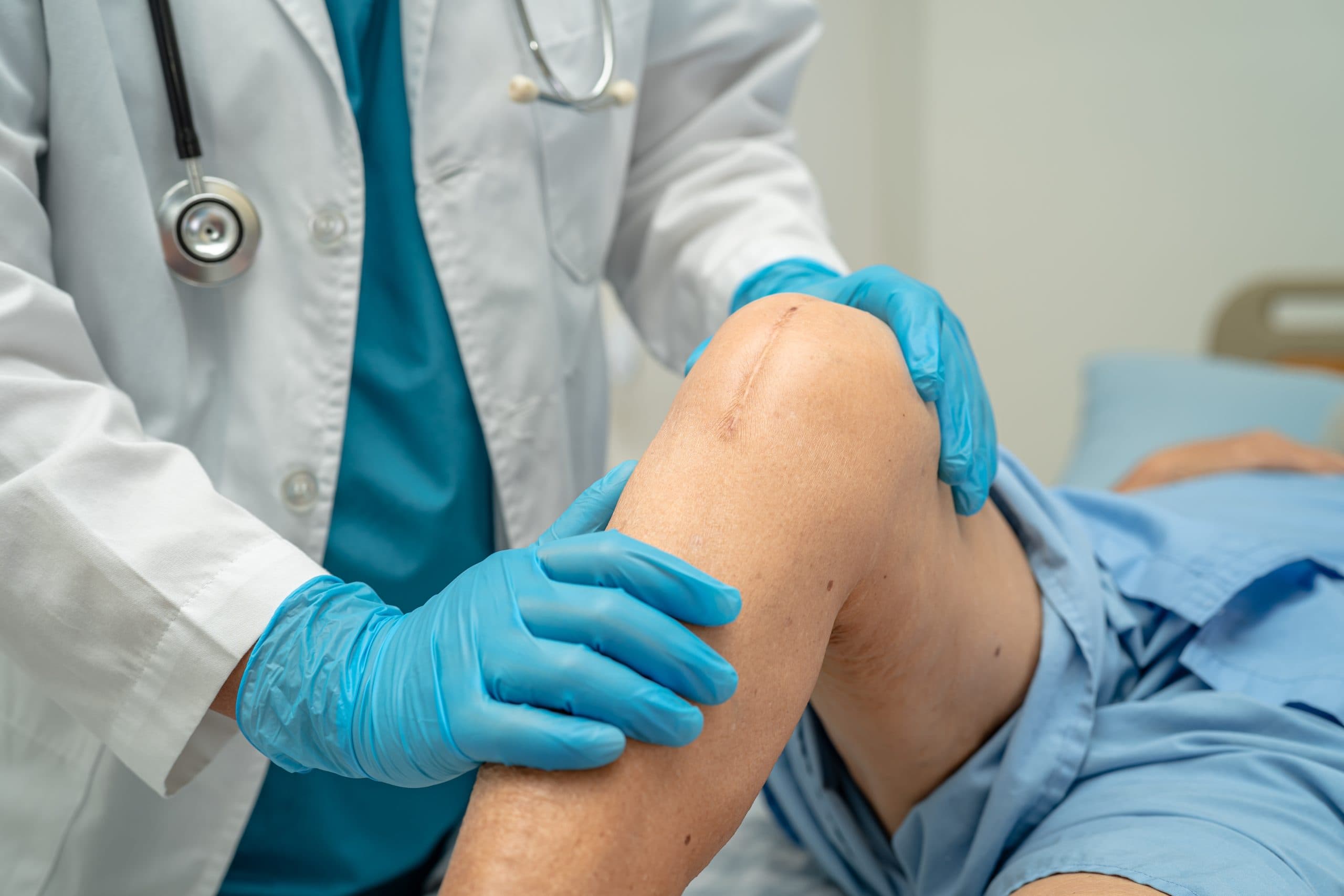
It’s essential to have realistic expectations: these treatments often ease symptoms and improve joint function but rarely restore cartilage completely. For personalised guidance, seeing an experienced orthopaedic specialist like Professor Paul Lee at London Cartilage Clinic is recommended. If you continue to experience pain or your knee function declines despite treatment, seeking specialist evaluation is important to explore all available options, including surgery.
In summary, non-surgical treatments such as knee cartilage injections and oral supplements provide valuable options for managing knee cartilage damage, primarily by relieving pain and supporting joint health. Choosing the right approach requires careful consideration of the latest scientific evidence and consultation with healthcare professionals you trust.
Professor Paul Lee and his team at London Cartilage Clinic offer expert advice and comprehensive care tailored to each patient’s needs. While no treatment guarantees full cartilage repair , informed decisions can improve quality of life and delay the need for surgery. If you have concerns about your knee health, please consult a qualified healthcare professional for personalised advice.
Corain, M., Zanotti, F., Giardini, M., Gasperotti, L., Invernizzi, E., Biasi, V., & Lavagnolo, U. (2023). The Use of an Acellular Collagen Matrix ChondroFiller® Liquid for Trapeziometacarpal Osteoarthritis.
Perez-Carro, L., Rosi Mendoza Alejo, P., Gutierrez Castanedo, G., Menendez Solana, G., Fernandez Divar, J. A., Galindo Rubin, P., & Alfonso Fernandez, A. (2021). Hip Chondral Defects: Arthroscopic Treatment With the Needle and Curette Technique and ChondroFiller.
At London Cartilage Clinic, we offer advanced non-surgical options such as Platelet-Rich Plasma (PRP) therapy, hyaluronic acid and cortisone injections, as well as guidance on supplements. These treatments are expertly administered by Professor Paul Lee, a recognised cartilage specialist.
Professor Paul Lee, a renowned Cartilage Expert and surgical ambassador, provides patients with comprehensive, up-to-date care rooted in the latest scientific evidence. His leadership and expertise ensure that every patient receives tailored recommendations at the London Cartilage Clinic.
Knee cartilage injections, such as PRP or hyaluronic acid, target the joint directly for symptom relief and improved mobility. Oral supplements can complement these treatments, but their effects are generally milder and should be considered as part of a broader management plan.
Non-surgical treatments at London Cartilage Clinic are typically most effective for those with mild to moderate damage, younger individuals or patients aiming to delay surgery. Our expert team, led by Professor Paul Lee, provides thorough evaluation and advice for every patient’s needs.
London Cartilage Clinic stands out due to Professor Paul Lee’s extensive training and commitment to evidence-based medicine. The clinic offers personalised, comprehensive care using the latest non-surgical approaches, ensuring patients receive support tailored to their individual knee health goals.
All our treatments are selected to help patients achieve the best possible outcomes and return to the quality of life they deserve. Get in touch if you have any questions.
At London Cartilage Clinic, we are constantly staying up-to-date on the latest treatment options for knee injuries and ongoing knee health issues. As a result, our patients have access to the best equipment, techniques, and expertise in the field, whether it’s for cartilage repair, regeneration, or replacement.
For the best in patient care and cartilage knowledge, contact London Cartilage Clinic today.
At London Cartilage Clinic, our team has spent years gaining an in-depth understanding of human biology and the skills necessary to provide a wide range of cartilage treatments. It’s our mission to administer comprehensive care through innovative solutions targeted at key areas, including cartilage injuries. During an initial consultation, one of our medical professionals will establish which path forward is best for you.
Contact us if you have any questions about the various treatment methods on offer.
Legal & Medical Disclaimer
This article is written by an independent contributor and reflects their own views and experience, not necessarily those of londoncartilage.com. It is provided for general information and education only and does not constitute medical advice, diagnosis, or treatment.
Always seek personalised advice from a qualified healthcare professional before making decisions about your health. londoncartilage.com accepts no responsibility for errors, omissions, third-party content, or any loss, damage, or injury arising from reliance on this material. If you believe this article contains inaccurate or infringing content, please contact us at [email protected].